Option A
All centralised
- ✕Raw, wet waste is trucked across the city and starts rotting within hours
- ✕Sites keep paying to get rid of it, and still miss their on-site duty

The problem
India pays to get rid of its organic waste, while plastic is still made almost entirely from fossil fuels.
What we build
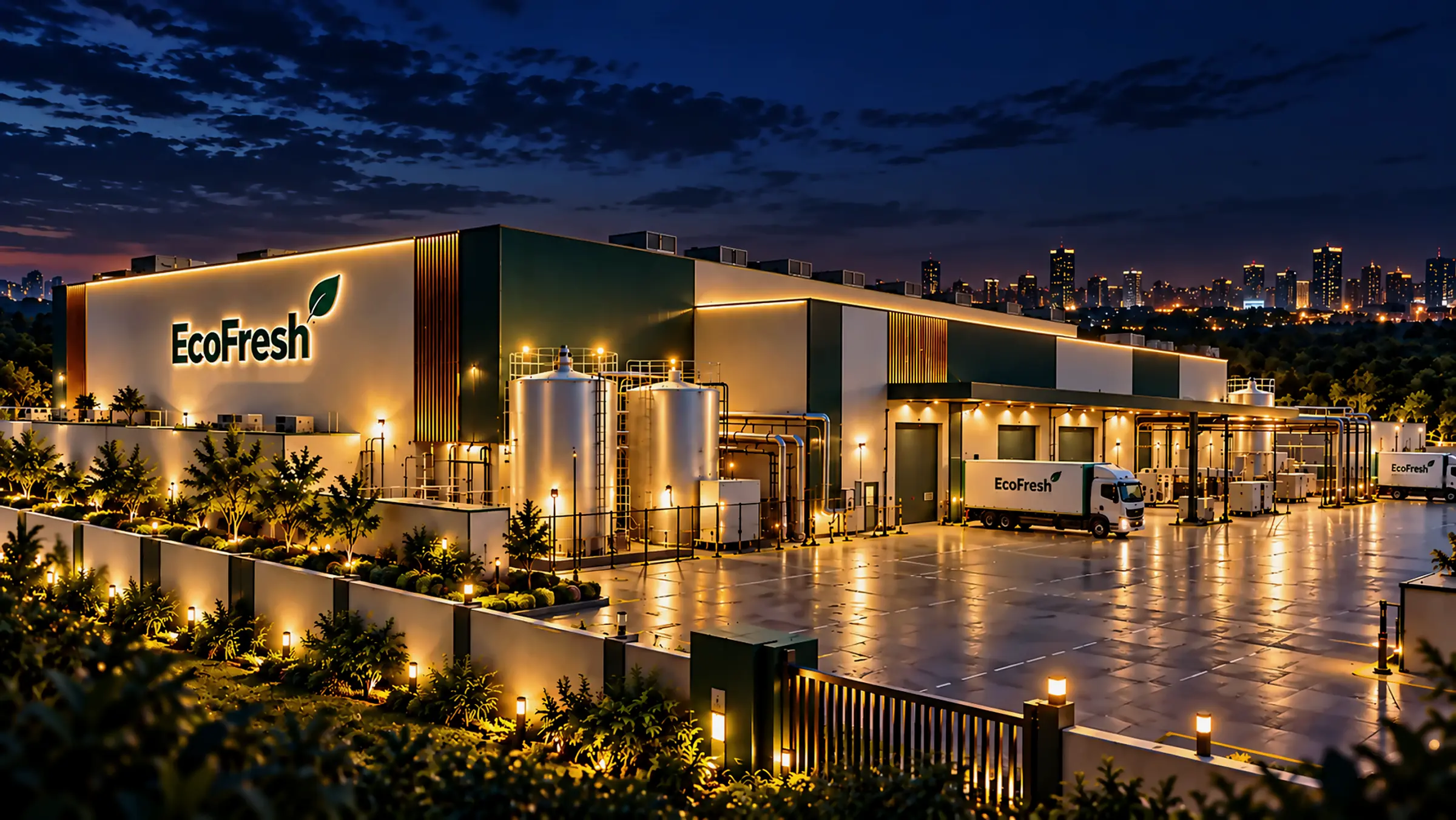
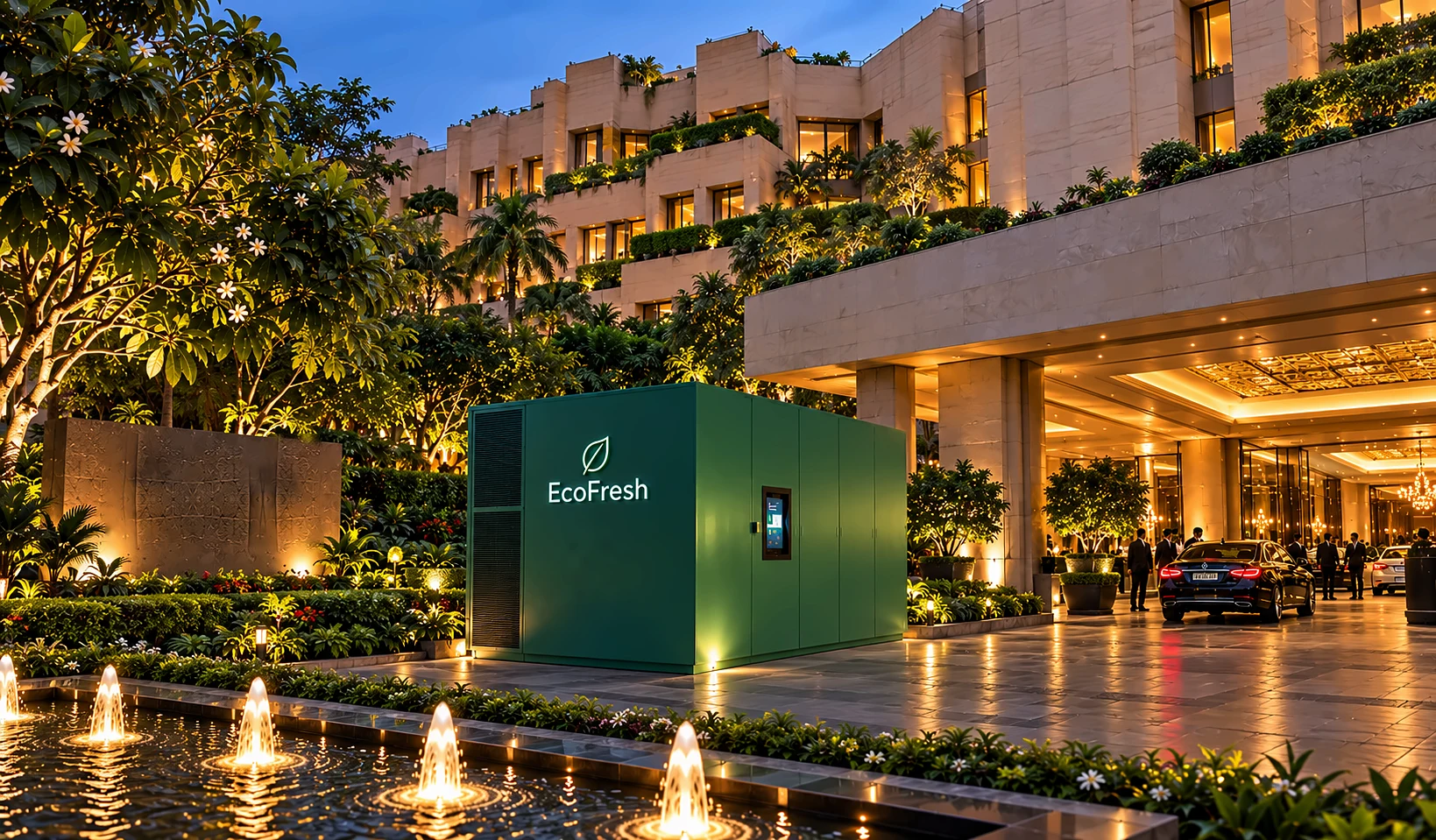
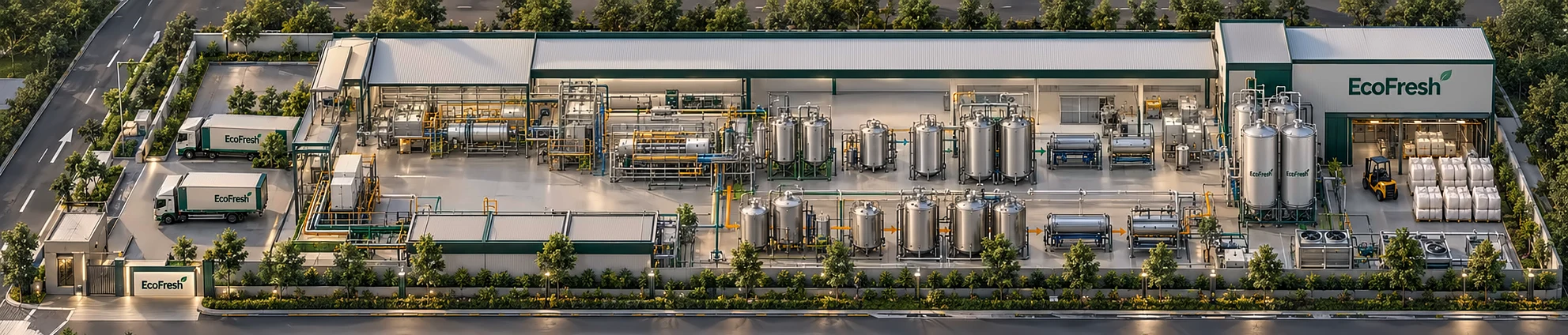
A compact unit at each site prepares the waste on site, splitting it into sugar liquor and fat.
The prepared streams are picked up on a schedule, sealed and metered.
One shared hub serves a cluster of sites and is designed to ferment both streams into PHA bioplastic.
PHA powder goes to compounders and converters. Packaging brands drive the demand.
How a cluster works
Schematic. Sites sit within about two kilometres of each other; the hub sits in the nearest industrial zone that permits it. Repeat the cell city by city.
Why this model
Option A
Option B
EcoFresh
Food waste rots within hours, and since April 2026 bulk generators must process it on site. So the messy step happens where it is made, and the waste leaves sealed, stable and pumpable.
The carbon source can represent more than half the overall production costs
. Our hub ferments sugar liquor and fat that sites would otherwise pay to dispose of.
It needs trained operators, a pollution consent and large tanks, so it is done once, at one hub serving a cluster of sites.
Sites stop paying just to dispose. The hub stops buying feedstock. That difference is where EcoFresh earns.
Tell us which side of the cluster you are on.
The science of what gets left behind
One family is made by microbes, and eaten by microbes: PHA.
Breakdown speed depends on the environment, thickness and grade. Claims for specific products need testing against the relevant standard.
Meet the PHA family
PHA (polyhydroxyalkanoates) is not one material but a family of plastics that microbes build inside their own cells. Different members are stiff or flexible, depending on the microbe and what it is fed. EcoFresh is designing the system that turns everyday food waste into the food those microbes need.
The Indian mandate
Every banned item now needs a certified compostable substitute. That is demand created by law, not by preference.
The entry ticket
CPCB certification, with products conforming to IS/ISO 17088.
Sources: PIB, ban from 1 July 2022 · Drishti IAS, compostable exemption · CPCB certification and IS/ISO 17088
PHA's edge
Microbes in ordinary soil eat it, leaving CO₂ and water.
Kaneka reports its PHBH breaks down in soil and seawater.
Kaneka, Dec 2024Where plastic most often escapes, the sea, certified grades break down too.
Kaneka's Green Planet holds the OK Biodegradable MARINE certificate.
Kaneka, Green PlanetNo industrial plant needed. Some grades compost in a backyard bin.
CJ's PHACT grade is TÜV OK certified for home and industrial composting.
CJ Biomaterials, 202499% of plastic comes from fossil fuels. PHA is grown inside bacteria.
The microbes store it as energy granules, the way we store fat.
Human Rights Watch, 2023Feed is often more than half the cost of making PHA. Waste is the cheapest feed there is.
Kaneka notes even waste cooking oil can serve as raw material.
RSC Advances, 2022 · KanekaCups, cutlery, trays: food can touch it.
CJ's S1000P is on the US FDA list of effective food-contact substances.
CJ Biomaterials, 2024No new factories for converters. It runs on the lines they already own.
Commercial PHA resin is processed by moulding, thermoforming, film, sheet and fibre lines.
CJ Biomaterials, 2024A little PHA makes brittle PLA tougher, more flexible, quicker to degrade.
That's why final bioplastic products are often PHA blends.
De Luca et al. · CJ Bio, 2022It's a family, not one material. Rigid for trays, soft for films.
Producers already sell both soft (amorphous) and firm (semi-crystalline) grades.
CJ Biomaterials, 2024So safe that the human body absorbs it: PHA sutures and meshes are FDA-cleared.
BD's P4HB hernia meshes count 385,000+ implants worldwide. A future, not current, EcoFresh market.
BD via MD&D, 2025 · Tepha, 2007Already proven worldwide
Global PHA capacity, tonnes per year
Single plants, tonnes per year
running expansion announced
nova-Institute & GO!PHA, 2022 · Kaneka · Bluepha · CJ BioWho already uses the PHA family
~10,000stores
PHBH straws for Seven Café iced coffee, rolled out region by region, now nationwide.
Japan · 2019Kaneka 2019 · Green Planet
Everystore
PHBH straws across Japan from March 2025; forks, knives, spoons and stirrers already nationwide.
Japan · 2025Kaneka 2024
Nationwide
PHBH straws adopted nationwide, plus spoons.
JapanKaneka
Oi Ocha
Stretchable PHBH straws on paper-pack green tea and juice.
JapanKaneka
385,000+implants
Absorbable P4HB hernia mesh, a PHA, used in surgery worldwide.
Global · 2025MD&D 2025
Marinecertified
PHA straws certified marine biodegradable and home compostable by TÜV Austria.
USA · 2021PlasticsToday
6restaurants
Trial of PHB straws and cutlery (AirCarbon), certified carbon negative.
USA · 2021NRN 2021
Airportstores
PHBH shopping bags being introduced at all its airport shops.
JapanKaneka
Stadium
PHBH straws and spoons at Kashima Soccer Stadium.
JapanKaneka
Figures as reported by each company or outlet on the date shown. Hover to pause.
Impact of the PHA family, worldwide
How we calculated: CO₂ = 2021 global capacity (~48,000 t) × 2.9 kg CO₂e saved per kg (PHA 2.1 kg, 58% below conventional plastic). Water = 60% of ~150 L used per kg in conventional PHA fermentation. Market 2030 = $651M grown at the report's 9.35% a year. Plants run below capacity, so the CO₂ figure is a ceiling.
One material, many markets
SoonerLater
What we sell first
Packaging where plastic is likely to escape, supplied as bioplastic blends.
Certain grades biodegrade in soil and water. vs Fossil plastics, many PLA grades
Very strongPlastic function where food soiling blocks recycling. vs PE, PP, PET, PLA
StrongA biodegradable barrier instead of a plastic layer. vs PE-coated paperboard
Strong potentialItems India banned in 2022, where compostable substitutes are allowed.
Where collection is hard, if the grade performs. vs PP, PS, PLA
Strong, cost-sensitiveBreakdown beyond industrial composting. vs PE, PLA and PBAT blends
Formulation-specificStrong science, longer road: field trials, approvals or new grades.
Biodegrades in soil after use, so films need not be pulled out. vs PE, PLA, PBAT
Very strong potentialPlanted with the seedling instead of collected. vs Conventional nursery pots
Needs field validationRelease actives over time, then biodegrade. vs Persistent coatings
Functional opportunityResorbable grades for sutures and scaffolds. vs Non-resorbable polymers
Specific usesA slow carbon source for denitrification. vs External carbon sources
SpecialisedA comparative screening of where PHA's properties set it apart, not a claim that PHA is better everywhere. Advantages depend on the grade, and each product needs testing to the relevant standard.
Where this leaves us
Partners, buyers, investors and researchers: we'd like to hear from you.
Next on the site: Technology, how we make it and how far we've got. Process detail is shared under NDA.
Our edge
Making PHA today
RSC Advances, 2022EcoFresh hover for ₹/kg
So we changed the feed. Institutional food waste is carbon sites already pay to get rid of, and our plant runs open, without sterilising.
From EcoFresh's costed model at full scale. Pre-revenue: targets, not results.
Why institutional waste
Kitchens sort it at source. No plastic, glass or grit to pick out.
Lunch and dinner, every day of the year. A feed you can plan a plant around.
Large hotels sit in clusters, so one hub can serve five sites on a short route.
The two carbon sources microbes turn into PHA, in high shares.
Dirty, variable and scattered. Hard to use as a clean feed.
And the law now pushes large generators to deal with their own waste: Solid Waste Management Rules 2026.
What's inside the waste
Published figures for institutional food waste. Hotel waste will differ; we will publish our own lab analysis when it is done.
Step one · at the site

Step two · collection
Each unit pings the hub when its tanks are nearly full.
One route collects from all five on a planned schedule.
Liquor and fat travel apart, because each goes to its own train.
Step three · the hub
Getting the PHA out
The product leaves as PHA powder, ready for compounders and converters.
Nothing wasted
Where we are
Done
Confirmed by FTIR at Tezpur University.
Done
Published Indian Patent Application IN 202621016608 A1 (expedited examination).
Done
Site unit and hub, from vendor listings.
Next
At TBIF, IIT Ropar and CIAB Mohali.
Then
Powder trials with compounders.
Then
Five site units and one hub.
Research support: Tezpur University (Prof. A.K. Das, Pro-Vice-Chancellor, Tezpur University, and Professor, Department of Design, IIT Guwahati) · TBIF, IIT Ropar · CIAB Mohali.
From bin to bioplastic
Operating detail and the full process are shared under NDA.
Next on the site: Team, the people building it.
The team
Four engineers and designers from PDPM IIITDM Jabalpur, an Institute of National Importance, turning institutional food waste into bioplastic, with the institutions below behind them.
 Alma mater · IncubationInstitute
 IncubationNational
 Incubation · AcceleratorNational
 RecognisedNational
 RecognisedNational
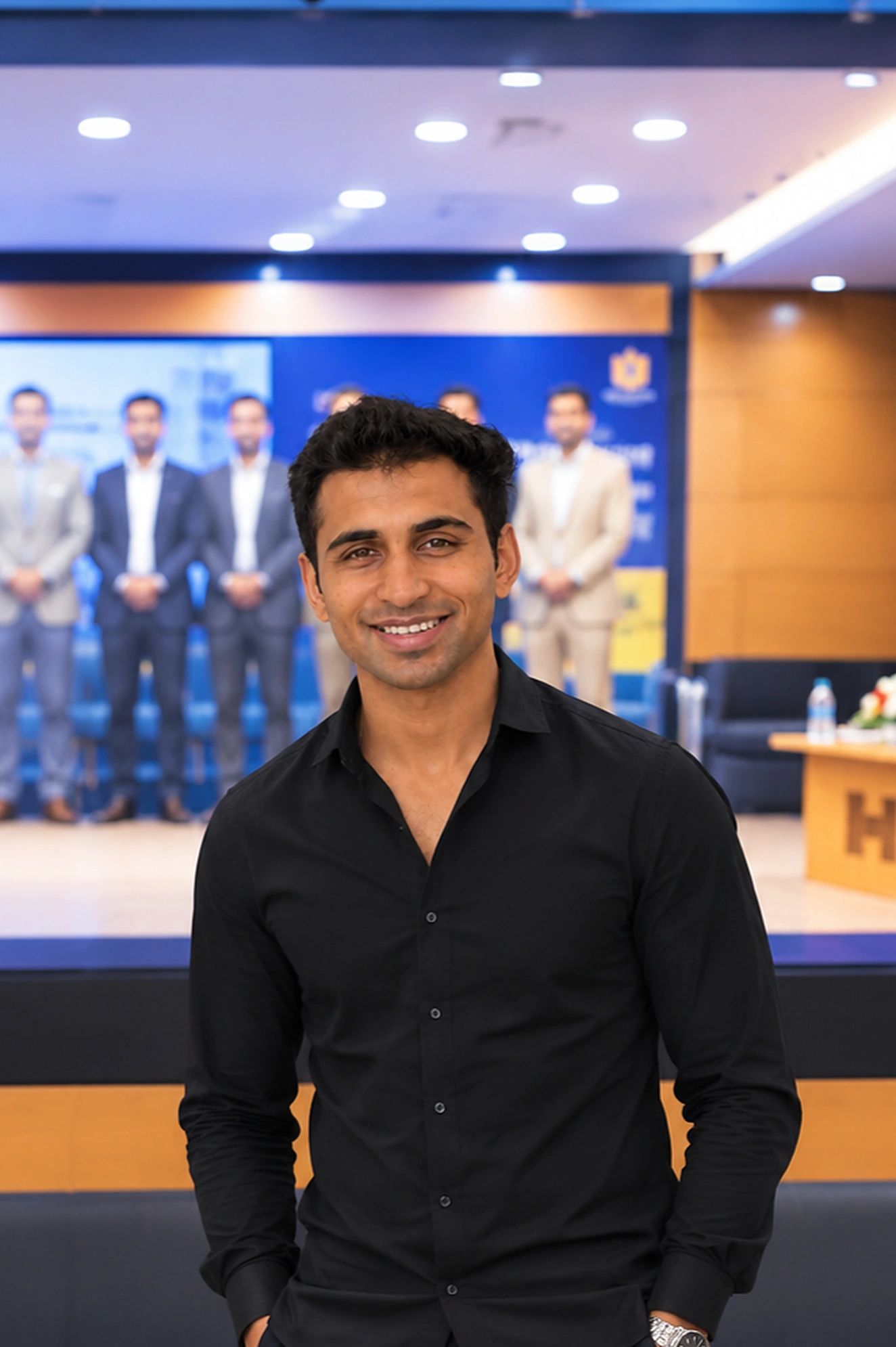
Founder & Chief Executive Officer
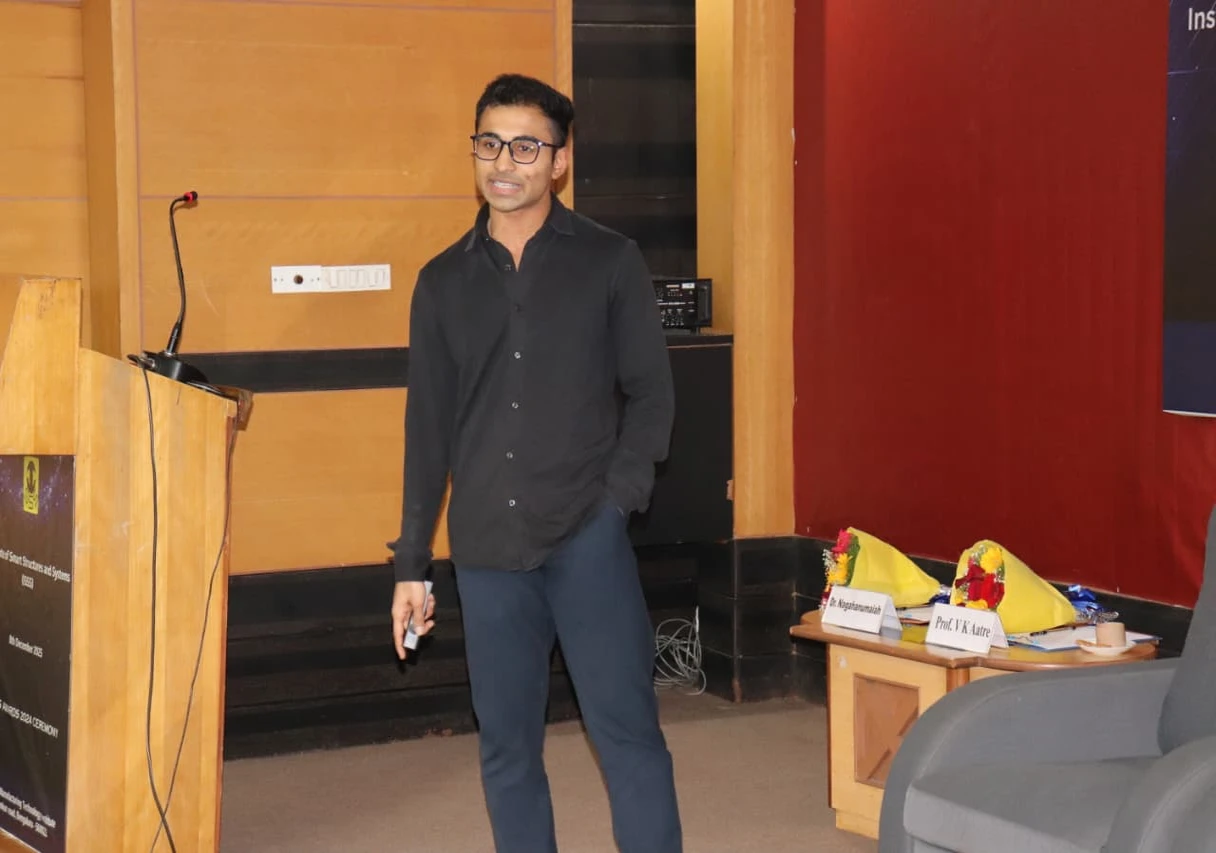
ISSS National Innovation Awardee · IISc BengaluruAIR 2 · conferred by Padma Vibhushan Dr V. K. Aatre, former Chief of India's Defence Research & Development Organisation; Prof. Rudra Pratap, Qimpro Gold Standard awardee who built India's first MEMS research lab at IISc; & Prof. Navakanta Bhat, Infosys Prize laureate, IISc
Founder's Day Honouree · IIITDM JabalpurFelicitated by the Director, Prof. Bhartendu K. Singh, physicist at Brookhaven National Laboratory, USA, & Prof. Puneet Tandon, Honorary Professor, Nosov Magnitogorsk State Technical University, Russia
Founder of EcoFresh and VION, two deep-tech companies built through India's leading institutions.
Backed & recognised by















Entrepreneur
He reads the gaps others walk past: in health, a body signal no one was tracking; in climate, food waste that institutions pay to throw away. Then he builds a company around each.
 Health wearables
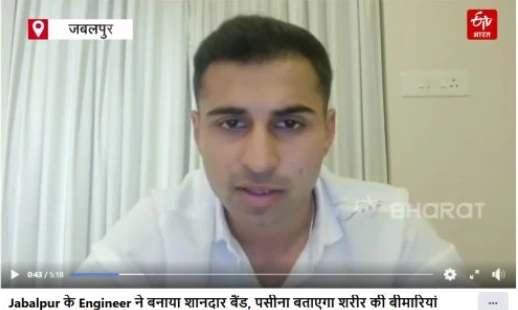
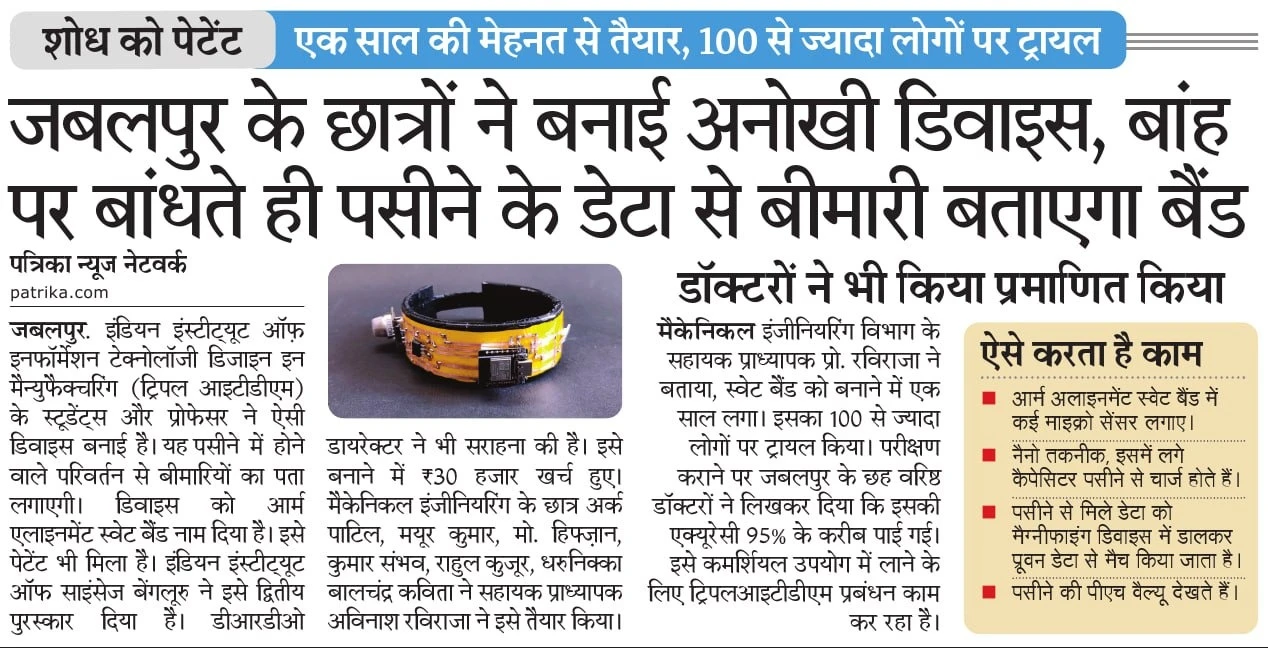
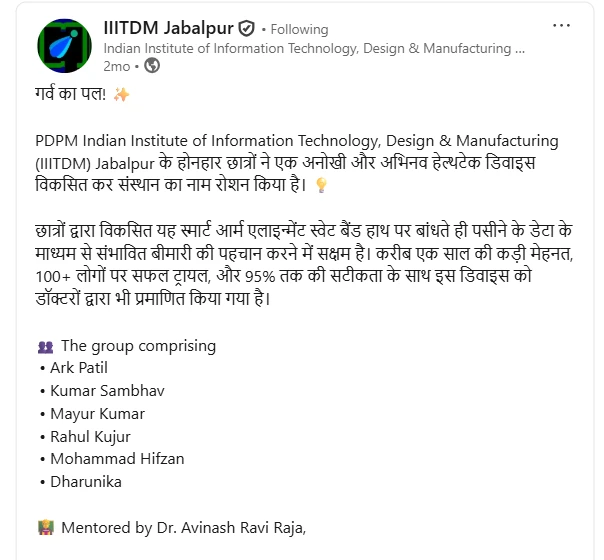
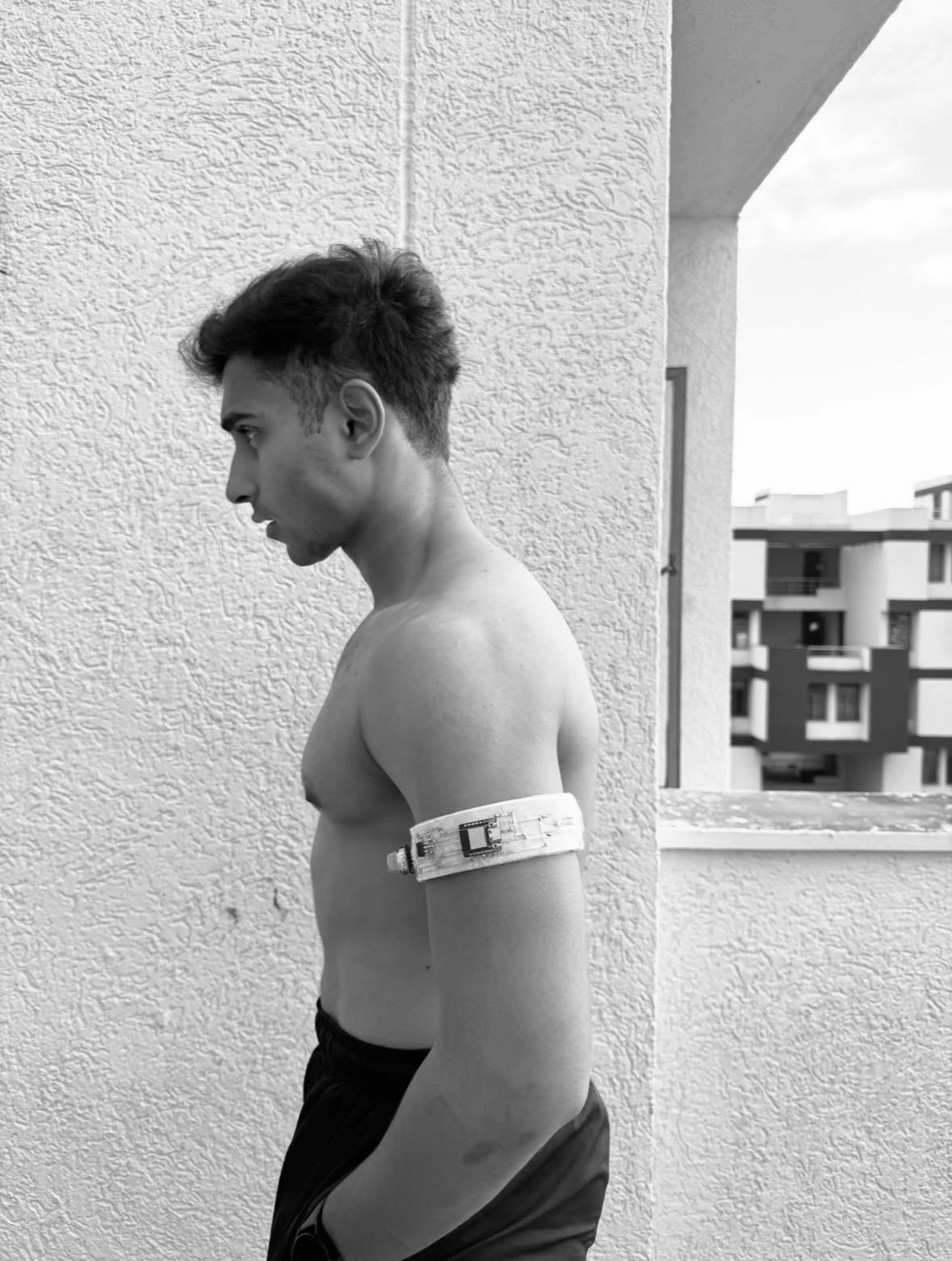
A sweat-sensing arm band that flags health risks from sweat alone.
A year in development; trialled on 100+ people, with accuracy close to 95% certified in writing by six senior doctors · Fabrication reviewed with CeNSE, IISc · Incubation offer, IHFC, IIT Delhi
Climate infrastructureA sealed unit at each hotel, feeding a shared hub that turns food waste into bioplastic.
Reviewed by The Earth Fund (Gruhas), Social Alpha and Lavni Ventures · Strong interest from India's leading climate investors and angels, and from NSRCEL, IIM Bangalore
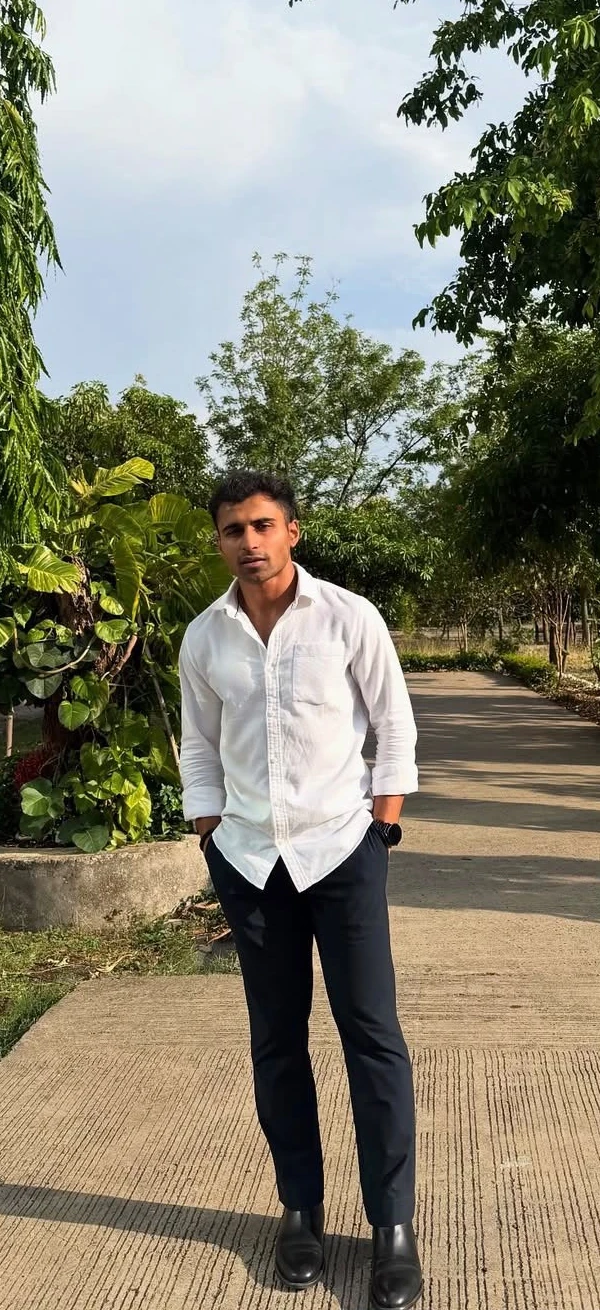
Mechanical Engineer
Five edges of his craft, six perfect A+ grades, and where each one shows up in EcoFresh.
→ In EcoFreshDesigned the hotel unit's main assembly in CAD, to a 3.0 × 2.0 × 2.4 m footprint.
→ In EcoFreshSealed stainless units, and the pressure-rated scCO₂ extraction chamber.
→ In EcoFreshReads PHA bioplastic as a material: pellet grade, strength and film.
→ In EcoFreshLaid out the 60 × 30 m central hub, from the receiving bay to PHA bagging.
→ In EcoFreshThe unit's controls, and a data-aware hub that monitors every node.
Inventor
Expedited examination · Form 18A
Complete specification filed
Named inventor on 5 Indian patent applications, 4 published. Three filed by PDPM IIITDM Jabalpur and developed within its Institution's Innovation Council (IIC), Ministry of Education; two filed by EcoFresh GreenSync LLP.

National Collegiate Athlete
The grit that builds two companies was built on the track first: early mornings, heavy bars, and races decided by hundredths of a second.
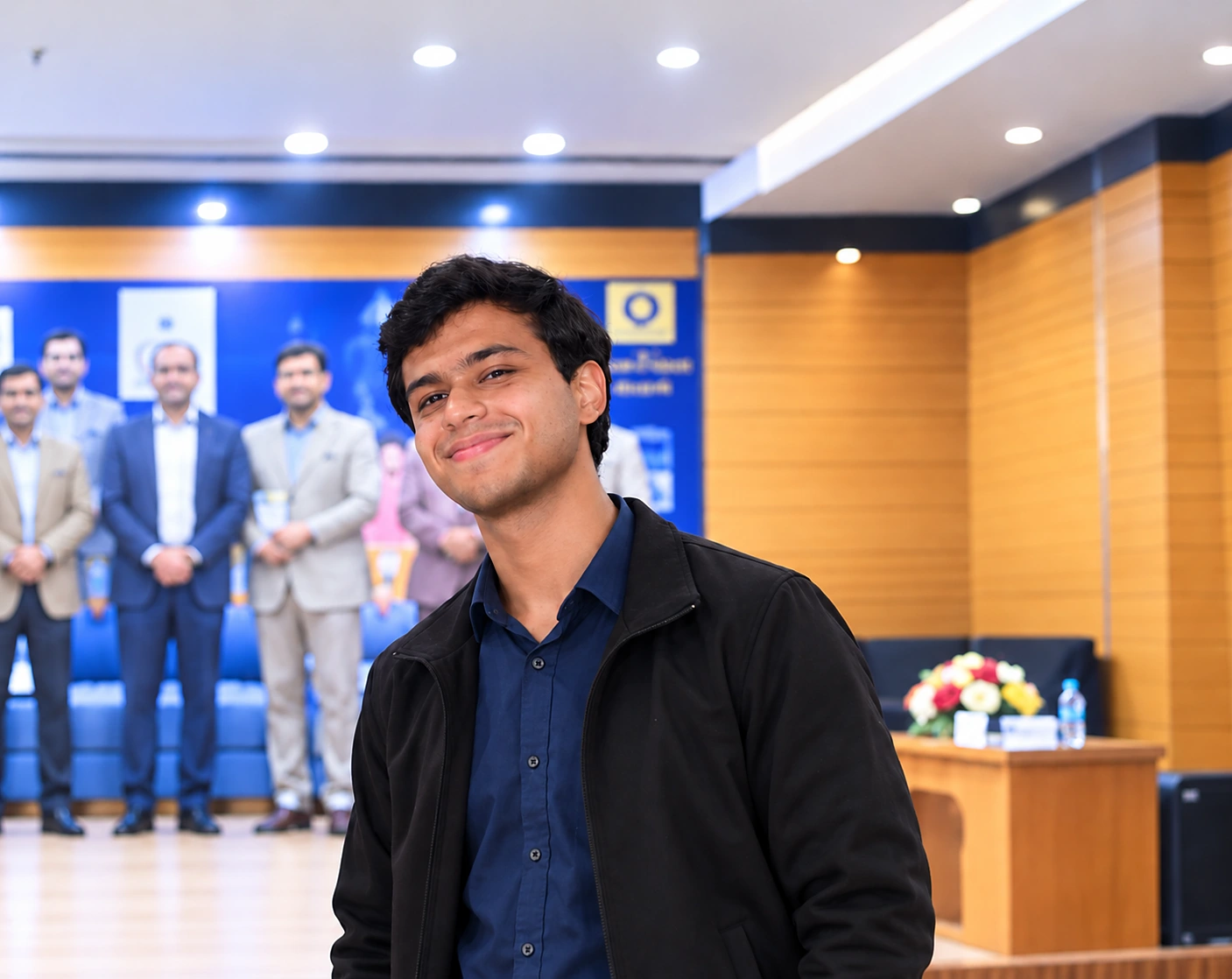
Co-founder & Chief Operating Officer
Global Finalist·Green Concept Award 2026Packaging · Green Product Award, Berlin · award supported by the IKEA Stiftung
Co-founder of EcoFresh, who turns designs into machines that work in the field: from the Indian Army at Tawang to the track at Buddh.
Worked with & recognised by





Operator
Co-founder & COO of EcoFresh, leading systems engineering, operations and execution. His test case: re-engineering IIT Guwahati's Dipbahan as an electric rickshaw that is cheaper to build, ship and assemble.
→ In EcoFreshThe same playbook carries into EcoFresh's hotel units: designed to ship flat, assemble on site and be serviced locally.
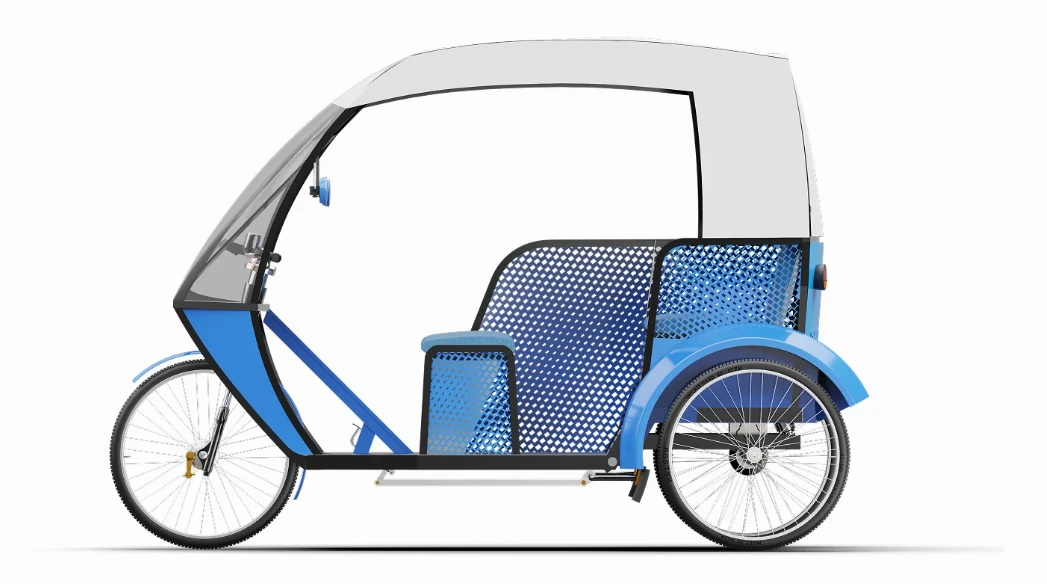
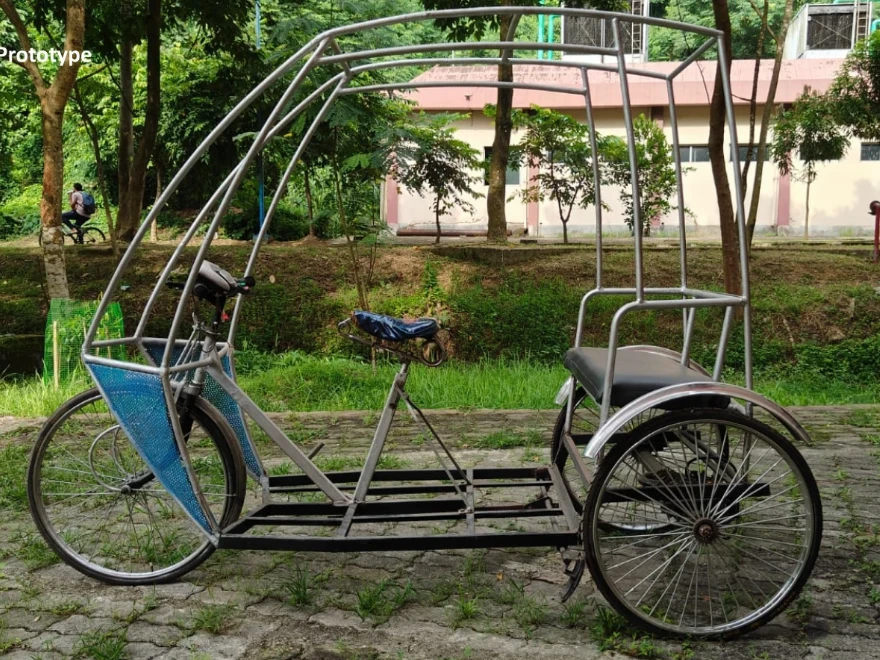 Before · the original EV prototype
 His redesign · Dipbahan EV
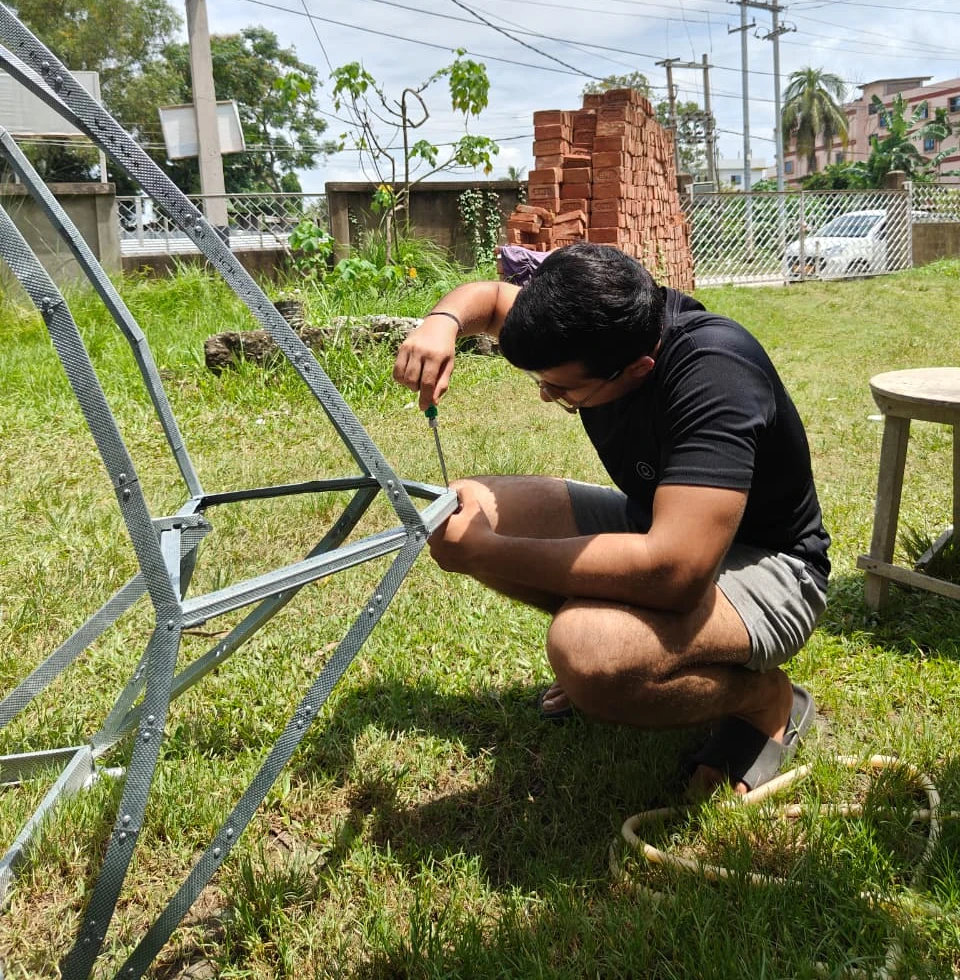 Building it · bolted, jig-free frame
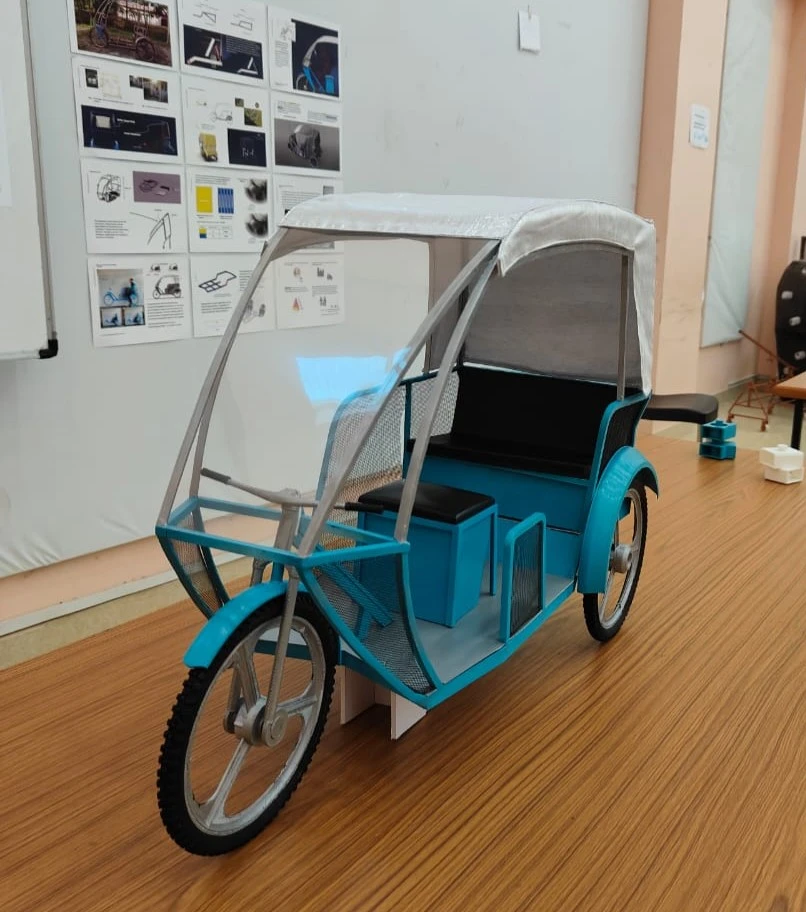 Scale model · the finished design
Industrial Designer
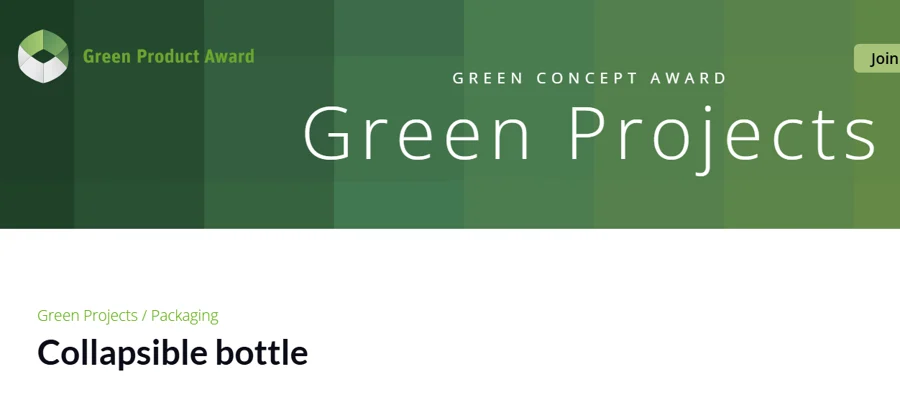
Global Finalist · Green Concept Award 2026, BerlinThe collapsible bottle · one of two finalists from India, 54+ countries · international jury, award supported by the IKEA Stiftung ↗
Strongest subjects · B.Des, PDPM IIITDM Jabalpur
Student Achievement Award · 2026PDPM IIITDM Jabalpur, for innovation, engineering and project execution
Published patent · 202521121265 APortable water purification bottle with a moringa-seed dispensing mechanism
Recommended byProf. A. K. Das, IIT Guwahati · Dr Sangeeta Pandit, Head of Design, IIITDM Jabalpur · Prof. Puneet Tandon, IIITDM Jabalpur
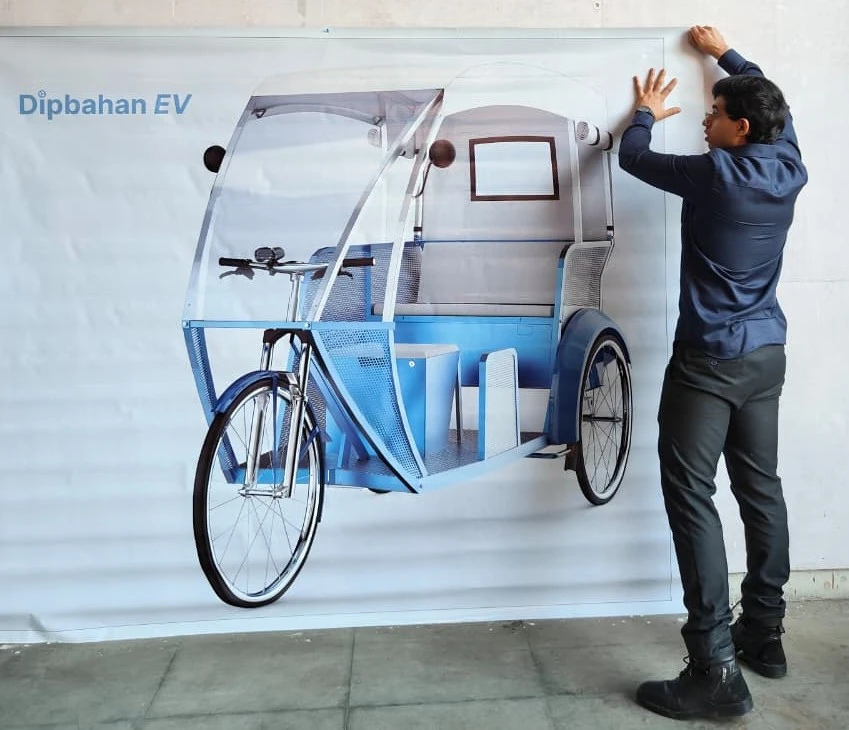 Full-scale review · mounting the 1:1 Dipbahan EV print
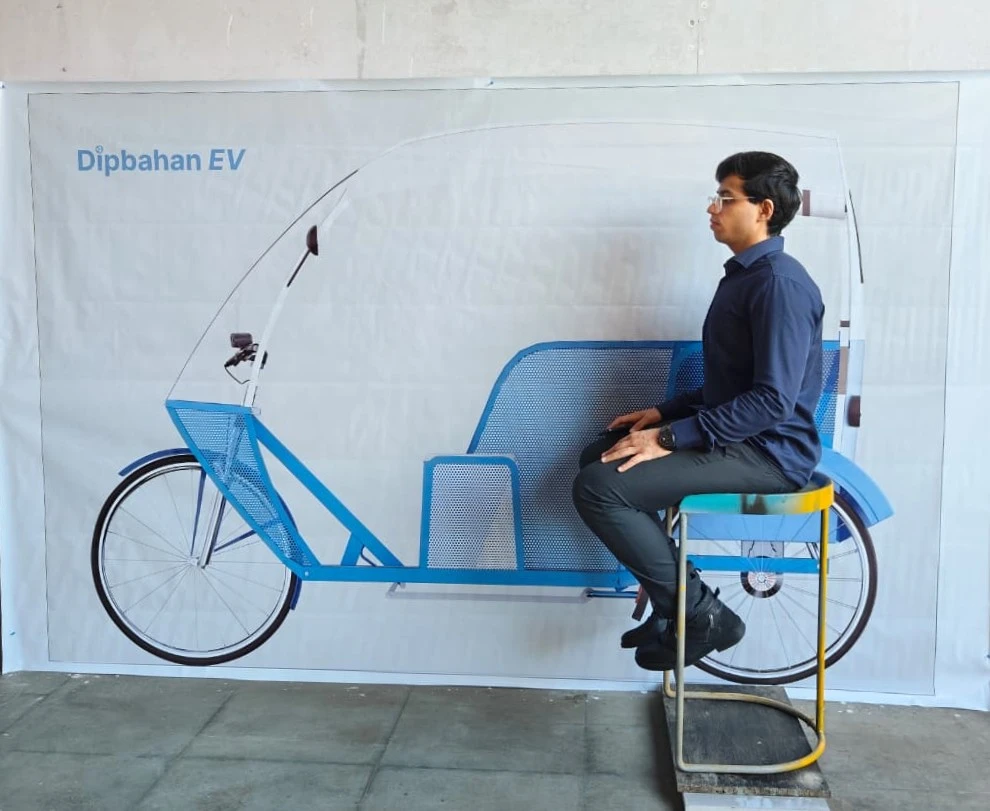 Ergonomics check · seat height against the 1:1 print
Automotive Designer
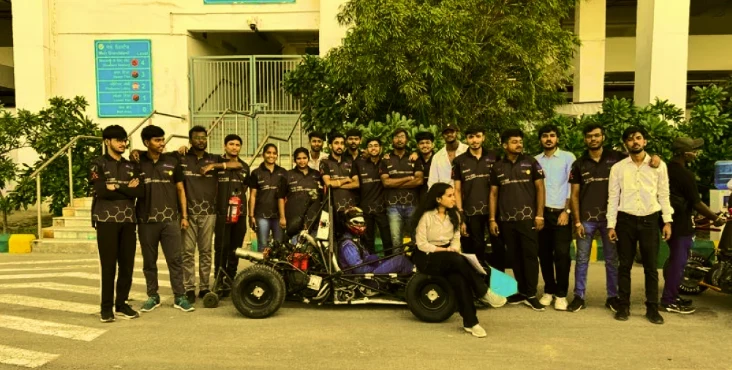
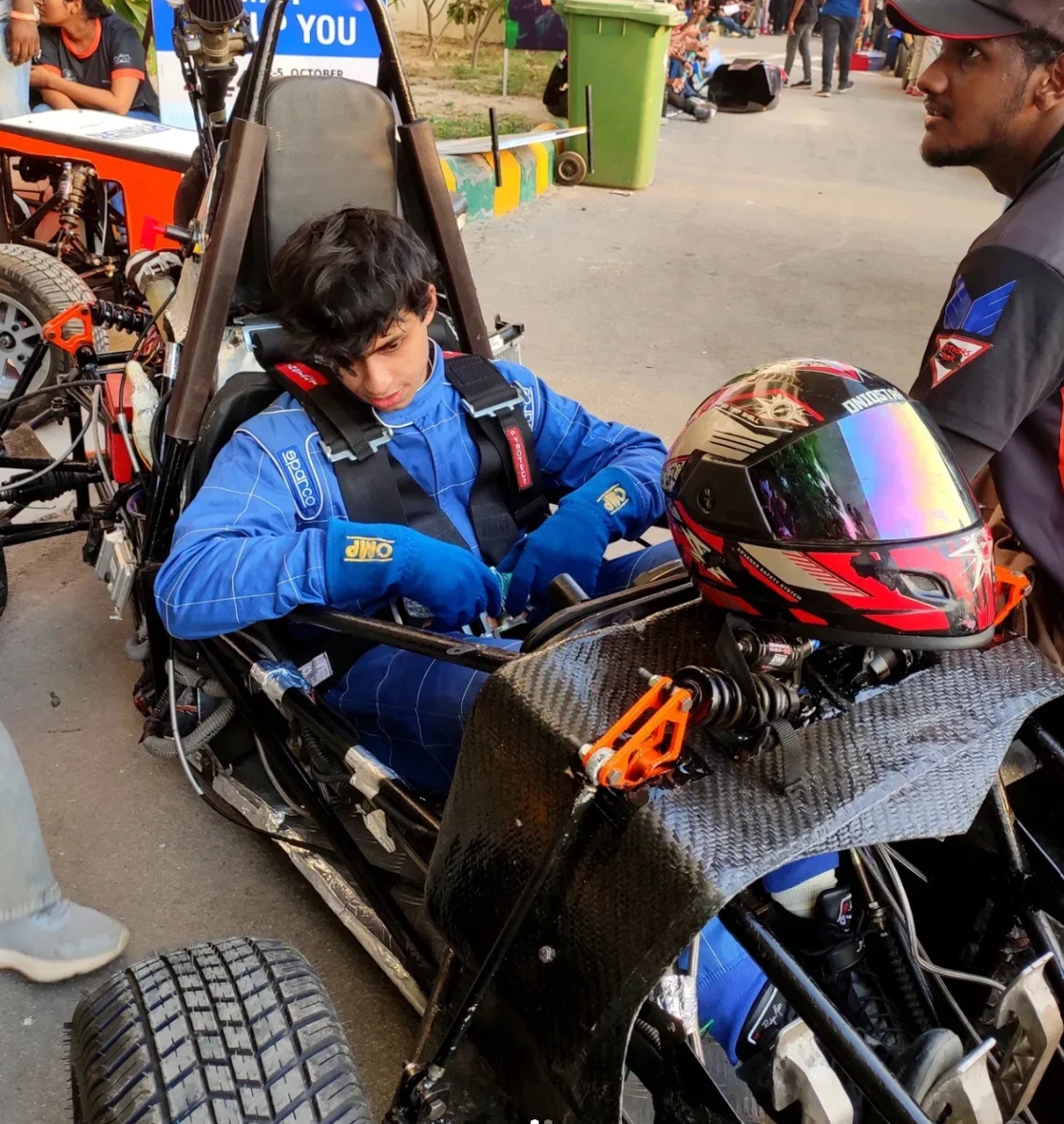
Lead designer and driver of IIITDM Jabalpur's Formula Student car, leading its aerodynamics and body, from sketch and simulation to a 1:1 foam mould and the track at Buddh.
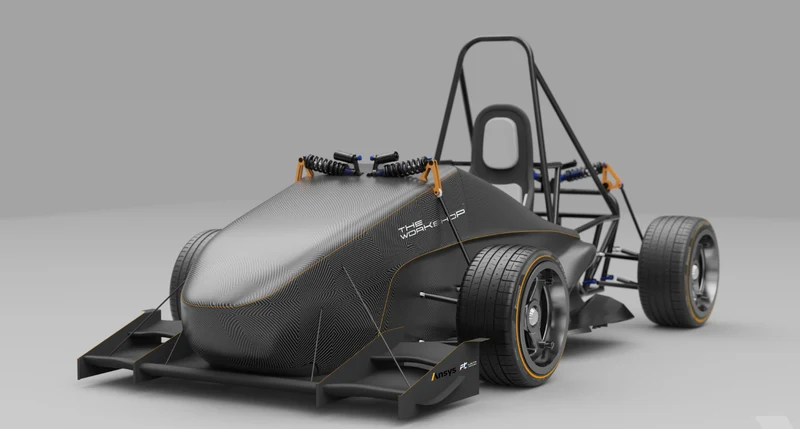 01Design · CAD & Ansys simulation
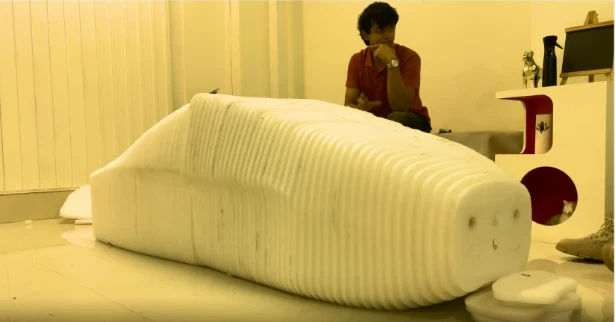 02Build · 1:1 foam mould for the body
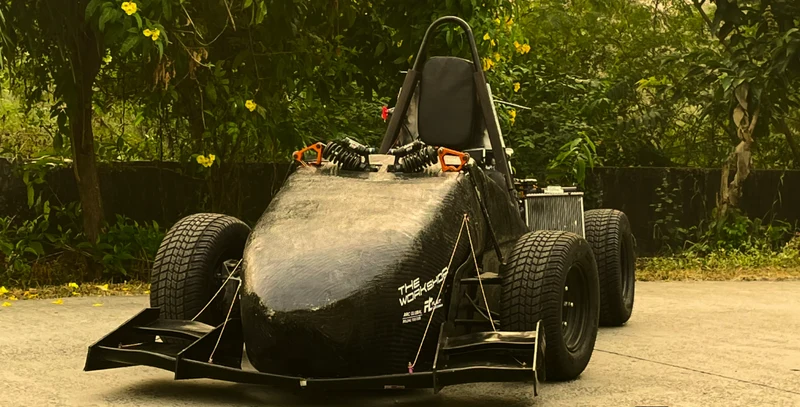 03Finish · carbon body, front wing, floor
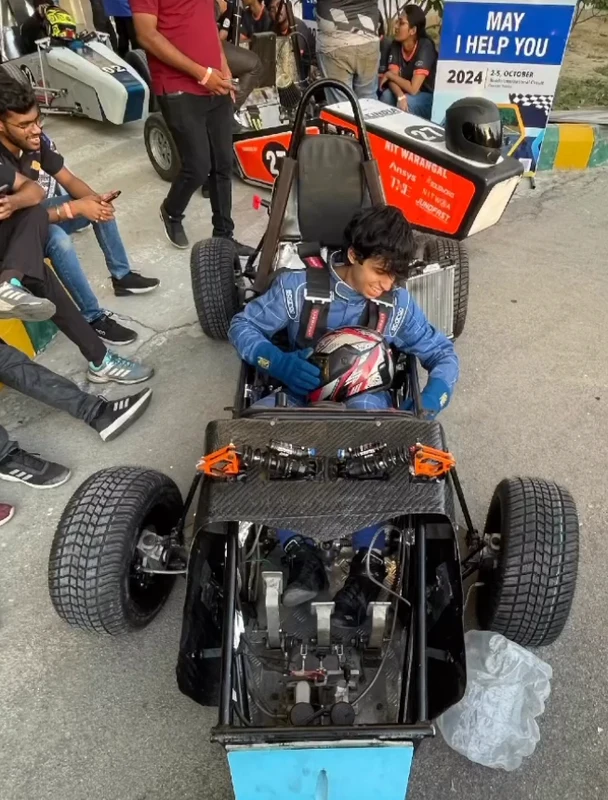 04Race · in the cockpit at Buddh, 2024
Defence Systems Builder
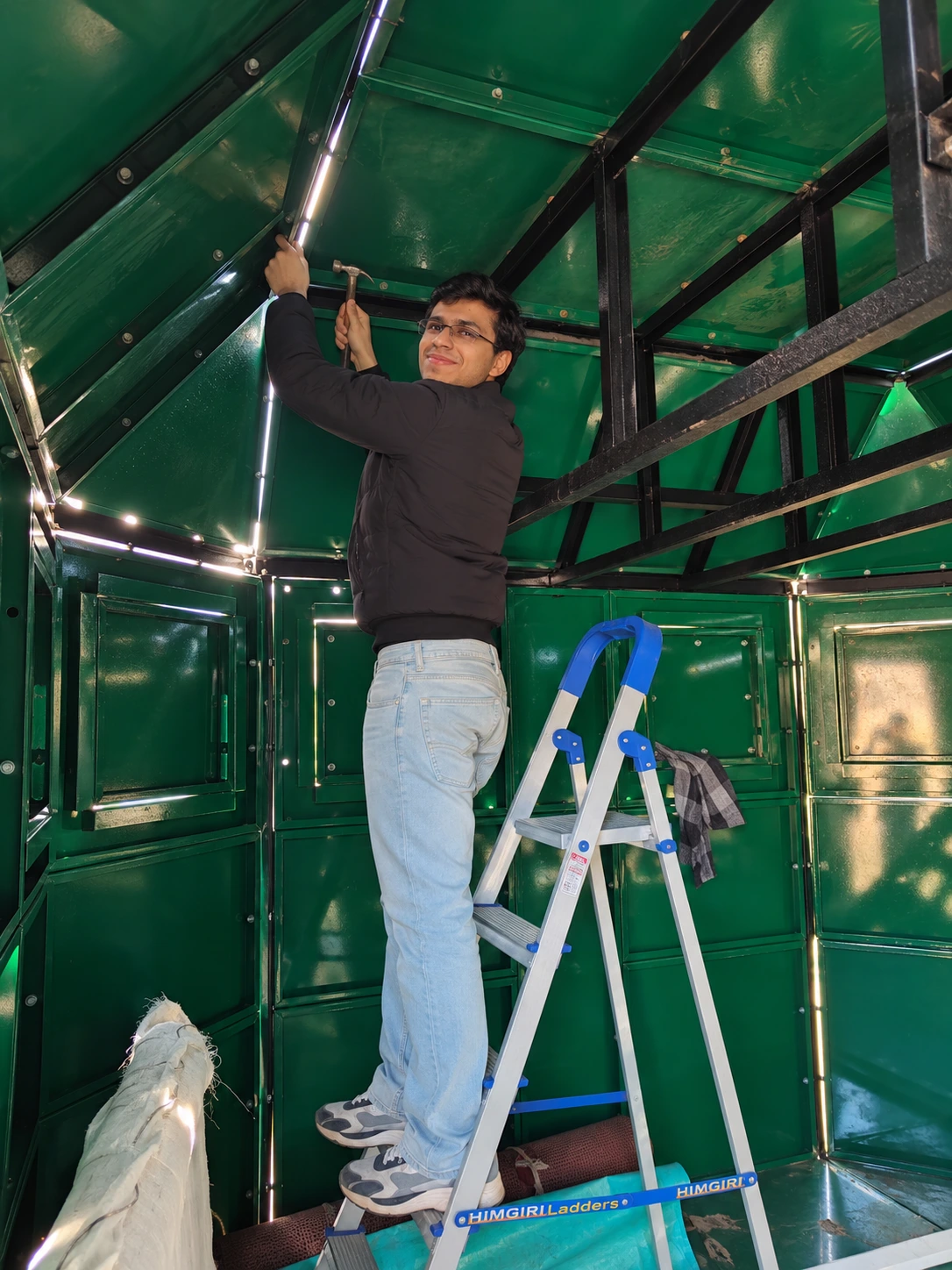
Co-designed, built and field-validated a modular bunker with the Indian Army at Tawang and Nagula, Arunachal Pradesh, from about 3,000 m to over 4,000 m, at IIT Guwahati under Prof. A. K. Das.
With

→ In EcoFreshModular, carried in and assembled on site: the same discipline now goes into EcoFresh's hotel units.
Co-founder & Chief Technology Officer
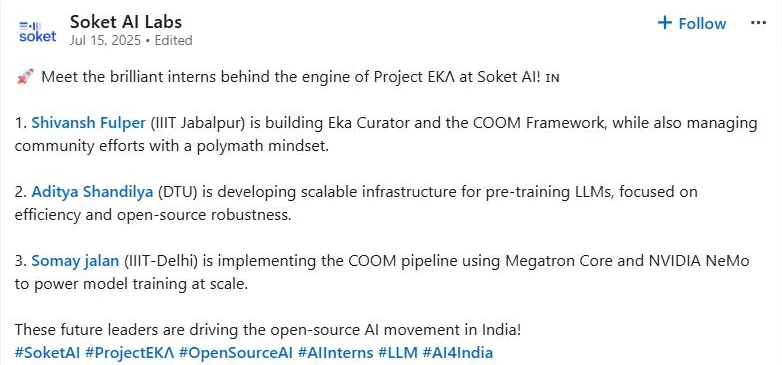
Project EKA · Soket AI Labs · IndiaAI MissionNamed first among the interns behind Project EKΛ; built Eka Curator, the 20-trillion-token pre-training pipeline for India's first 120B-parameter sovereign model, with Prof. Mayank Singh, IIT Gandhinagar
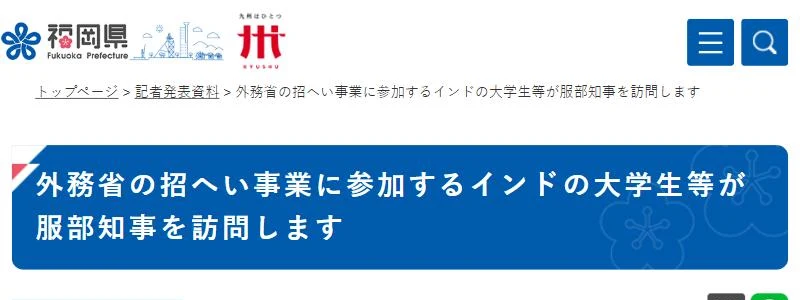
Selected · MIRAI-Setu 2025 · Ministry of Foreign Affairs, JapanOne of 40 students from India in the first-ever internship cohort; interned at KRAFTIA Corporation, Fukuoka, & received at the Embassy of India, Tokyo by Chargé d'Affaires Shri R. Madhu Sudan
AI Engineer · AtlanBuilt AtlanClaw, adopted company-wide: 30+ production AI agents
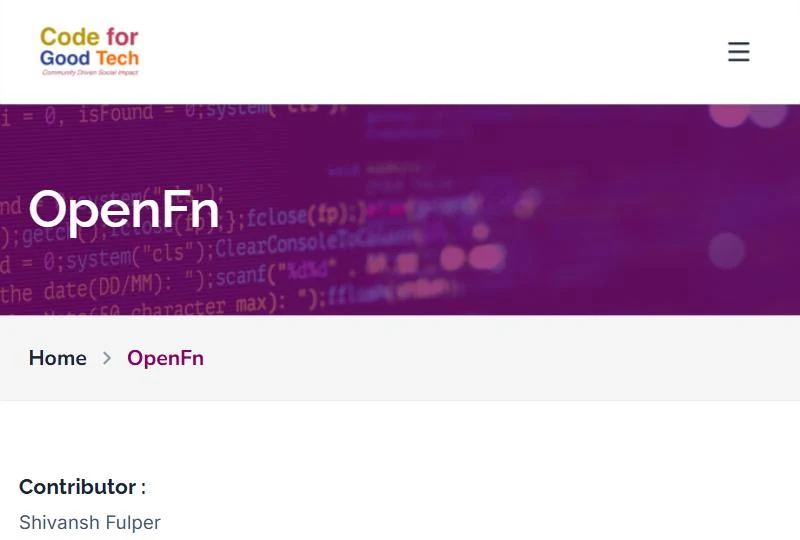
Selected · Code for GovTech 2024Backed by the Gates Foundation & Omidyar Network India; built an AI workflow agent for OpenFn
Co-founder of EcoFresh and founder of Waldo: two companies built on the same idea, AI that acts on messy real-world signals, from unsorted waste to a person's day.
Worked with & recognised by













Entrepreneur
AI that acts on messy real-world signals: in climate, unsorted waste arriving at a machine; in daily life, a person's sleep, calendar and inbox. He builds the intelligence that turns both into action.
Co-founder & CTOBuilds EcoSync, the control layer that lets one unit run on India's unsorted waste.
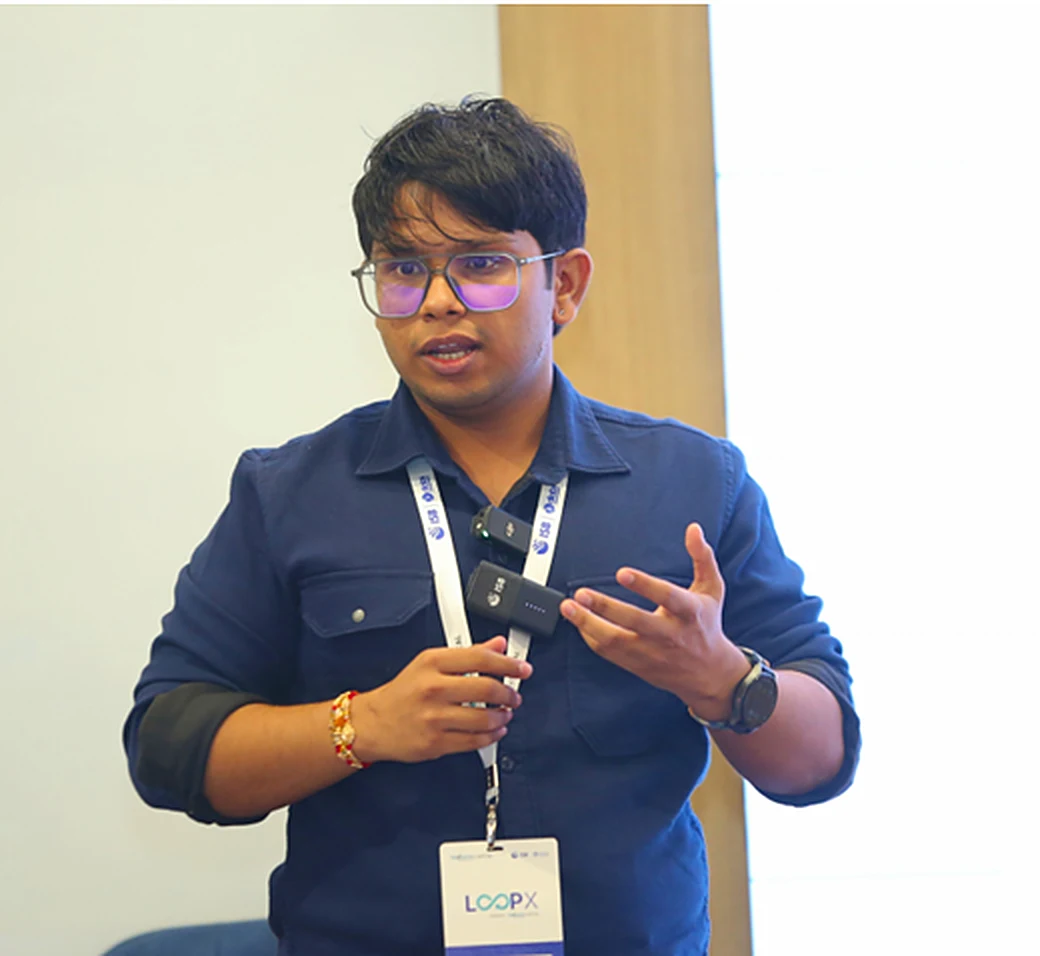
Real-time monitoring, 12-probe adaptive feed normalisation and carbon-flow forecasting across five stages · LoopX Cohort 1, ISB DLabs · Represented EcoFresh at the India AI Impact Summit 2026, New Delhi
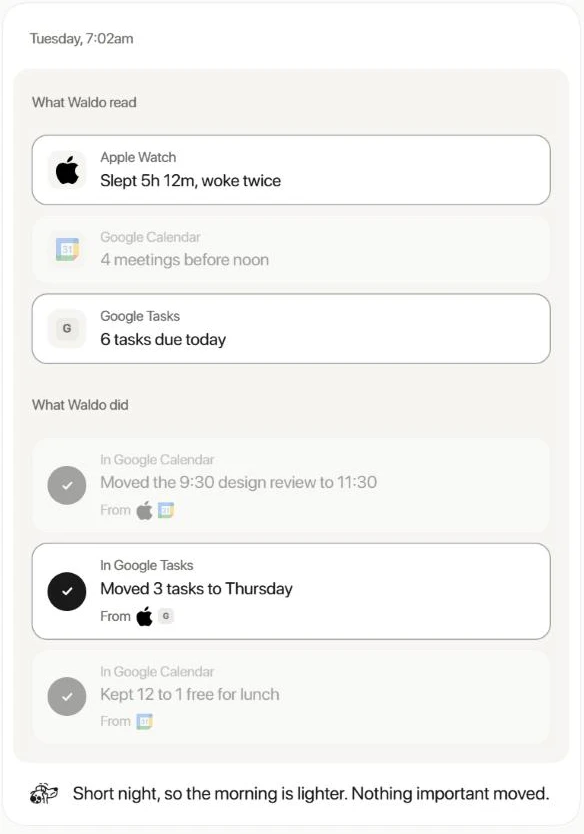
WaldoPersonal AI agents · FounderA personal agent that reads how you slept and what your day holds, plans it, and asks only for a yes or no.
Razorpay Rize founder community · AltaLab Online Sprint, AltaIR Capital · Built with Suyash Pingale (product & design) and Ashish Tembhekar (founding engineer)
AI Systems Architect
From the data a sovereign model learns from, to the agents a company runs on. Few engineers have shipped at every layer; he has.
Real world
Qualcomm VisionX, IIT Bombay: a SAM2 + YOLOv12 + Vision Transformer system. Built EcoSync, the 12-probe adaptive control layer for EcoFresh, and Waldo's body-signal pipeline, tested on 856 days of real biometric data.
Agents
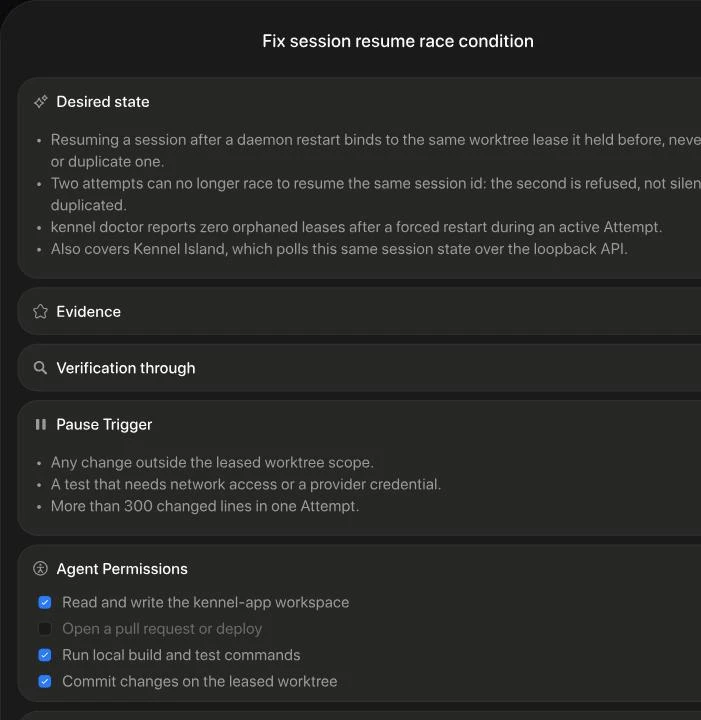
Helped build and operate 30+ production agent instances at Atlan. Built Kennel, Waldo's open-source Mac app that runs Codex, Claude Code and Cursor against checkable contracts. AI workflow agent for OpenFn, Code for GovTech 2024.
Kennel on GitHub ↗Models
Co-developed Project EKA, India's first 120B-parameter sovereign Mixture-of-Experts model, trained on Megatron-LM across GPU clusters. Rebuilt Qwen3 MoE from scratch in PyTorch: expert routing, grouped-query attention, RoPE and KV cache.
Qwen3 MoE on GitHub ↗Data
Built Eka Curator, the 20-trillion-token pre-training pipeline across 10+ Indic languages, with Prof. Mayank Singh, IIT Gandhinagar. Led hyperparameter tuning and ablation studies.
Project EKA ↗ToolchainPyTorch · Megatron-LM · FastAPI · PostgreSQL · Supabase · Cloudflare Durable Objects · Swift · Claude · Codex

Researcher & Inventor
Co-inventor on two Indian patent applications published in 2026: one turns mixed waste into bioplastic, the other reads the human body on the device itself.
(19) Intellectual Property Office, India
Turns mixed organic and plastic waste into biodegradable polymer, and adapts to whatever waste arrives.
PublishedExpedited examination(19) Intellectual Property Office, India
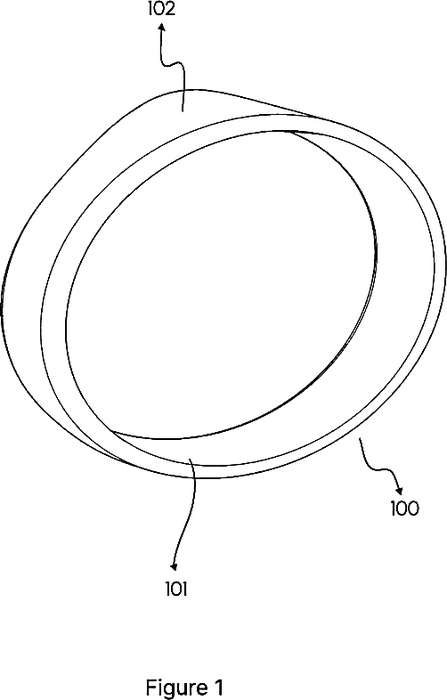
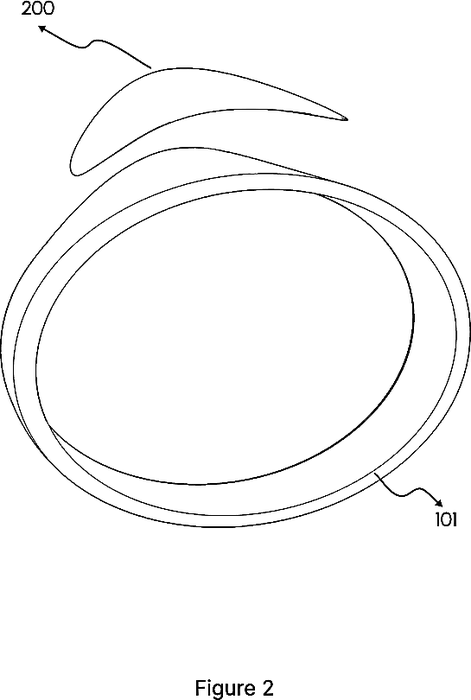
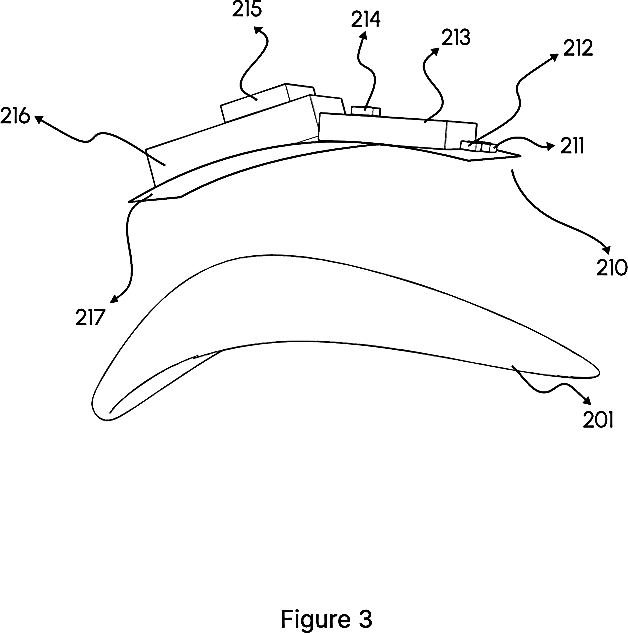
A wearable that reads muscle, nervous-system, heart and motion signals together, and infers mental and physical performance on the device, keeping raw body data private.
PublishedJournal 18/202601 · Data at national scale
How do you curate 20 trillion tokens across 10+ Indic languages, reproducibly?
Eka Curator, ablation studies → Project EKA ↗
02 · Machines on messy inputs
Can one unit run on unsorted waste?
EcoSync adaptive control → Patent 1
03 · Body signals on the device
Can a wearable judge performance without sending raw biosignals away?
Multimodal convergence, privacy-first storage → Patent 2
04 · Trustworthy agents
When an agent says done, what is actually true?
Outcome-truth research → The fieldbook ↗
 Gold ×3Science Olympiad Foundation · Classes 9 · 10 · 11
 Division TopperNTSE Stage 1 · Class 10FellowMajor League Hacking · 2024
 Lead OrganiserHackByte · 5,154 registrations
 Name flown to MarsNASA Perseverance
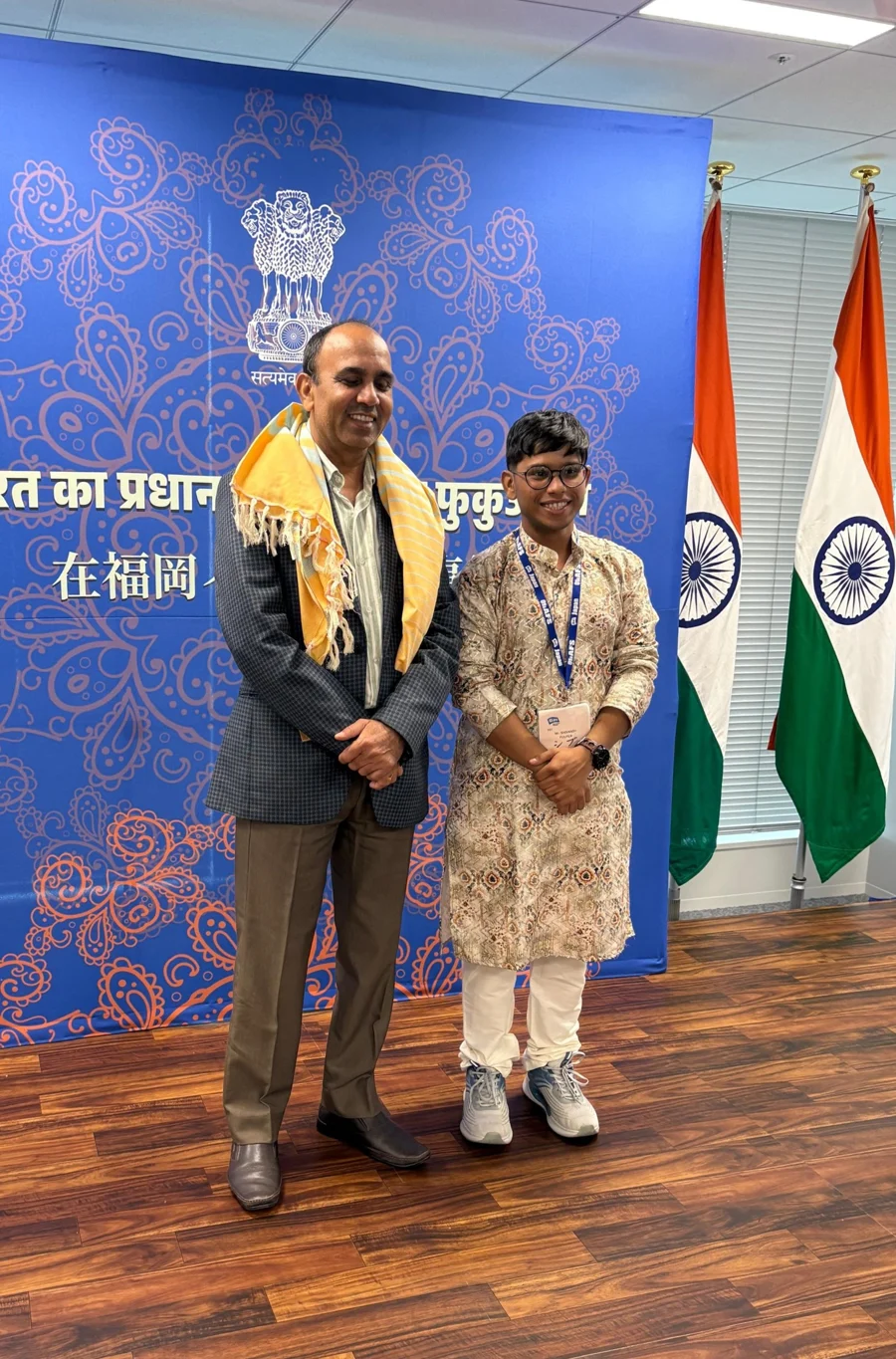
India–Japan Scholar · MIRAI-Setu 2025
Selected for the first internship cohort of MIRAI-Setu, the India–Japan exchange of Japan's Ministry of Foreign Affairs, run with AFS: a month in October 2025 across Fukuoka and Tokyo.
The engineering arc · IIITDM Jabalpur
B.Tech, Smart Manufacturing (AI & Industry 4.0)
Institute of National Importance · 2022–26
8.1/10 CPI9.3 final semester9.5/10 internship
What Japan taught him · Read his essay ↗
“Innovation is discipline, not disruption.”“Culture is the real moat.”“The best technology is invisible.”
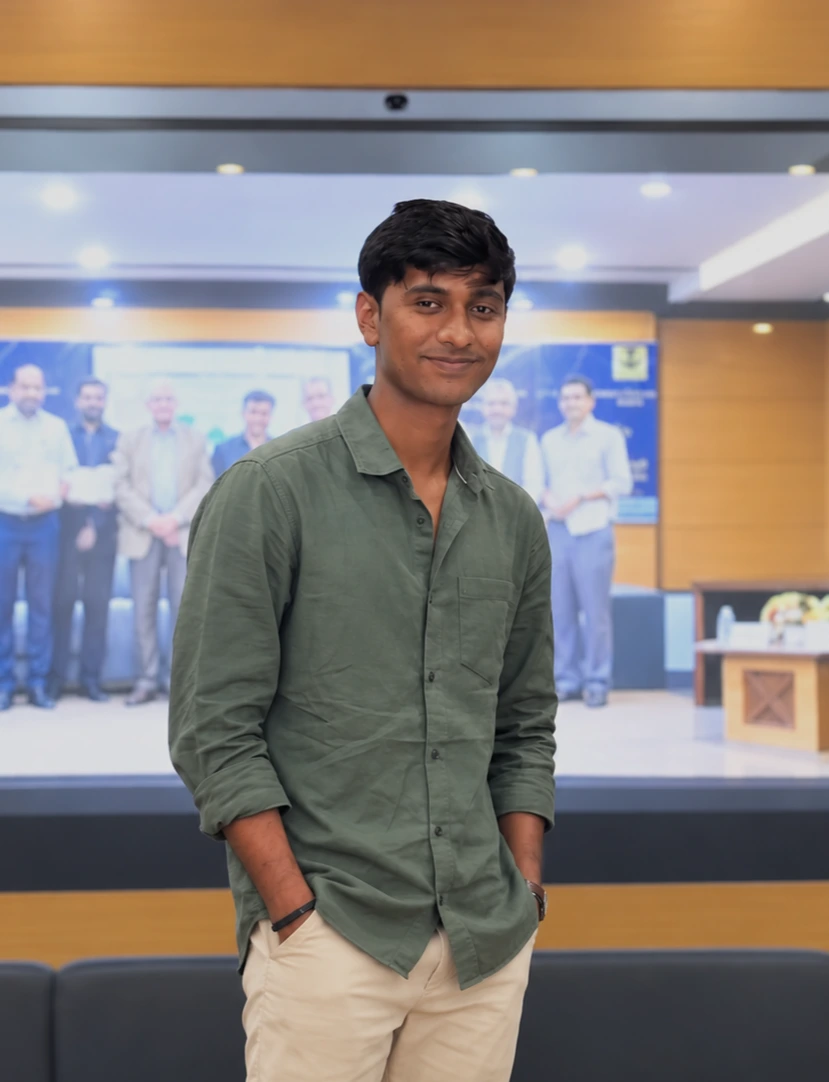
Co-founder & Chief Product Officer
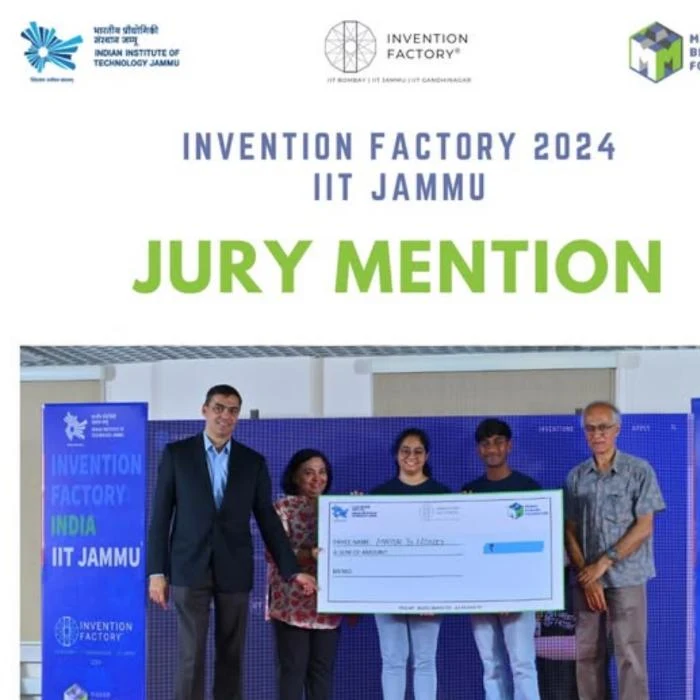
Special Jury Mention · Invention Factory 2024 · IIT JammuOne of 4 projects honoured from a six-week national cohort of IIT, NIT & design-school inventors; his one-handed crepe bandage applicator, filed provisionally in India & the US
Global Finalist · Green Concept Award 2026 · BerlinThe collapsible bottle: one of two finalists from India, 54+ countries; international jury, award supported by the IKEA Stiftung
ISSS National Innovation Awardee · IISc BengaluruAIR 2 for the Arm-Ailment sweat band, conferred by Padma Vibhushan Dr V. K. Aatre
Springer-published · ACED · HWWE · BRICSplus HFE 2023Co-author, field study of 65 workers across 15 workshops; joint international conference at IIM Mumbai
Co-founder of EcoFresh, who takes an idea from sketch to prototype to patent: eight filings across healthcare, sustainability and climate, first-named on five.
Worked with & recognised by









Industrial Designer · Chief Product Officer, EcoFresh
Electric rickshaw · IIT Guwahati · 5 months
A pedal rickshaw retrofitted with a motor it was never built for.
He redesigned the frame geometry and joinery for electric loads, with Prof. A. K. Das, then built the scale model by hand.
Industrial Designer, IIT Guwahati · mentor Dr Sangeeta Pandit
Collapsible PET bottle
Empty bottles get carried around, or dropped on the road.
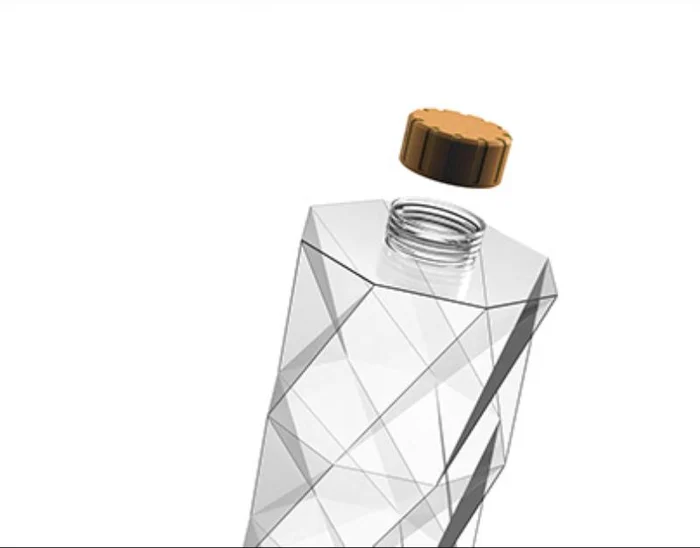
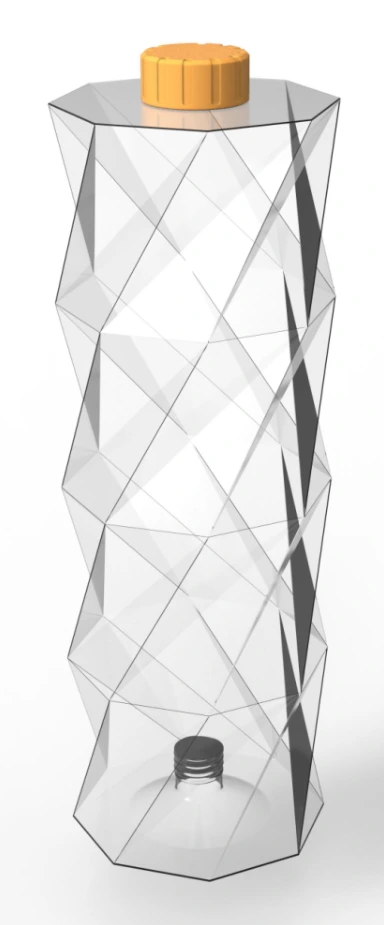
A Kresling origami fold collapses it flat, and its own cap locks it there for recycling.
Global Finalist · Green Concept Award 2026, Berlin · Published Indian Patent Application 202521056607 A
One-handed crepe bandage applicator
Alone, the roll slips and has no anchor point.
A bi-stable anchor strap holds the start; a handle sets the tension as the case turns around the arm.
Special Jury Mention · Invention Factory 2024, IIT Jammu · filed in India & the US
Healthcare Inventor
“I am driven to invent because the idea of innovative product development captivates me, and the creative process brings it to life.” Mayur Kumar · Inventor Profile, Invention Factory 2024
Invention Factory 2024 · IIT Jammu
Pitching Wrap to the jury
ISSS Awards · IISc · CMTI Bengaluru
Presenting “The Biological Lag”











Patent Architect
8filings
5first-named
20months · Oct 2024 to May 2026
2filed by EcoFresh
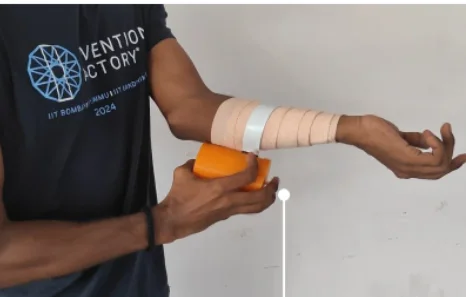 Filed01
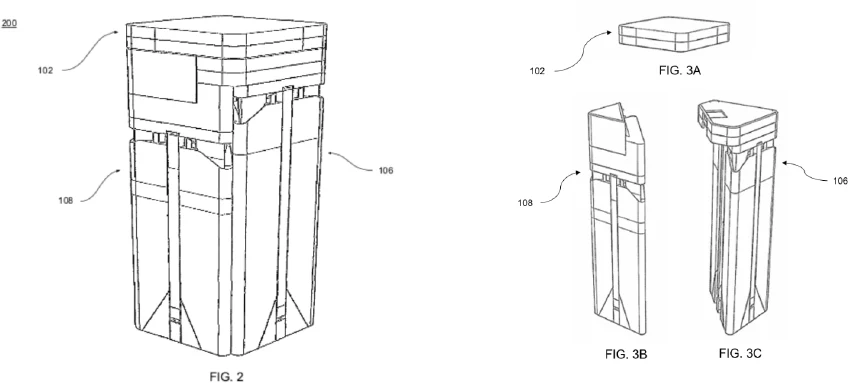
A bi-stable anchor strap grips the start of the bandage, so one hand can wrap and set the tension.
 Published02
A Kresling origami fold collapses the bottle flat, and a protrusion inside its cap locks it there.
 Published03
One flexible band reads several sweat biomarkers at once and powers itself with a built-in energy harvester.
 Published04
A magnetic sensor catches the athlete’s reaction at the start; an optical rod clocks the torso crossing the line.
 Published05
A 45° base uses the Boycott effect to settle dirt faster; moringa seed is dosed by push-button. No power, no chemicals.
 Published06
One system turns mixed organic and plastic waste into biodegradable polymer. Filed by EcoFresh Greensync LLP.
Published07Reports a mental or physical state only when two or more body signals agree; computes on the device and never stores raw biosignals.
Finds your lens power without asking “better or worse?”, by reading pupil response and micro-eye-movements under infrared.
Springer Researcher
Human-Centered Digitalization, Vol. 1 · Design Science and Innovation series · pp. 455–462Every Indian summer, demand for desert coolers peaks, and small metal workshops in Jabalpur run flat out with little quality control. The study asked what that work does to the people doing it.
15workshops
65workers
6tasks studied
3methods




Our mentors
Two professors who have built design programmes, patents and institutions, and who have guided EcoFresh from its first sketch to the lab.
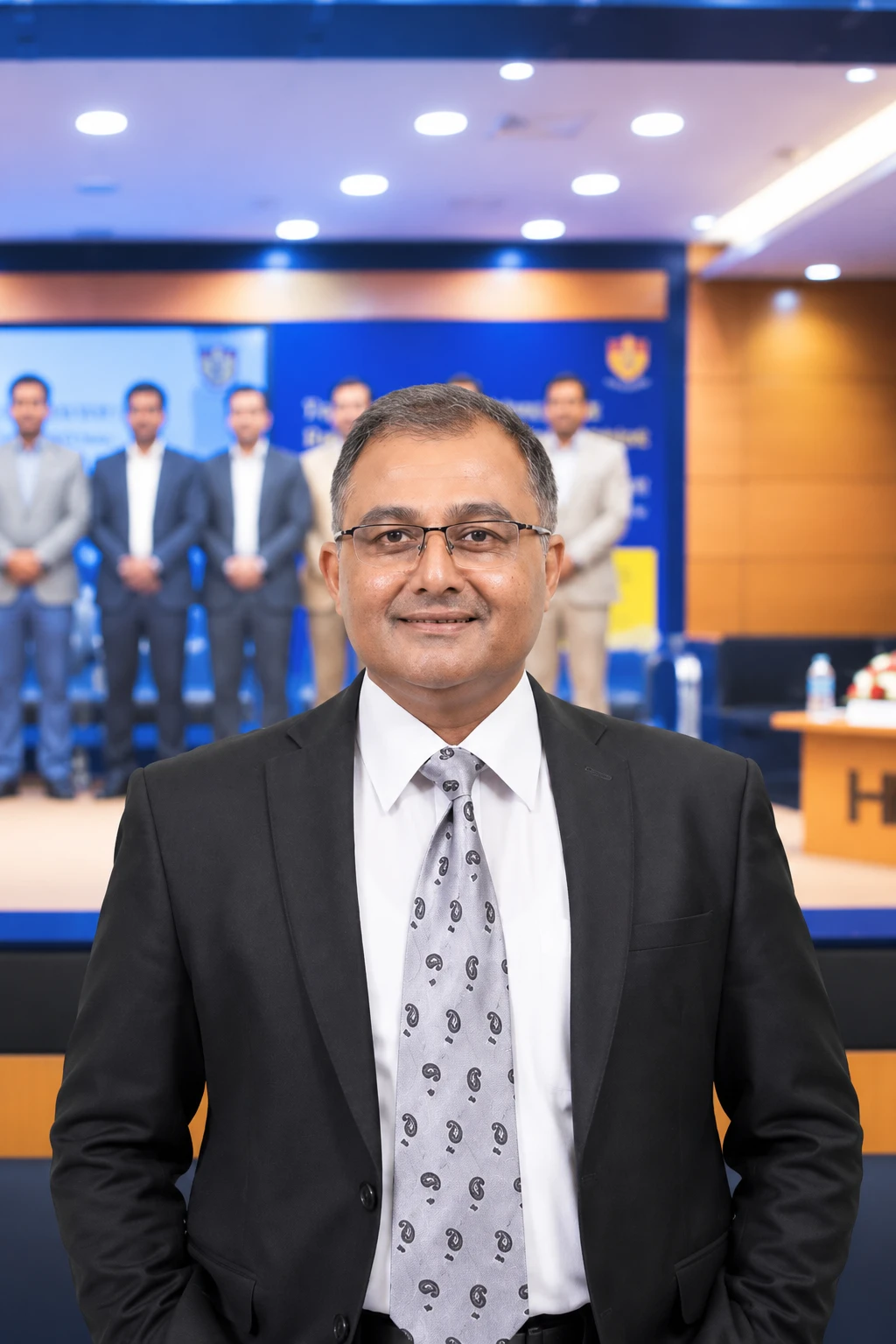
Mentor · Origination Supervisor, EcoFresh
Professor of Mechanical Engineering & Design, IIITDM JabalpurProfessor-in-Charge, Innovation & Incubation CentreCo-Chair, Industry 4.0 & Advanced Manufacturing conference, IISc Bengaluru
Vice-President & Convener · Institution’s Innovation Council · Ministry of EducationProfessor-in-Charge, Innovation & Incubation Centre, IIITDM Jabalpur; former President, MHRD Innovation Cell; Principal Investigator, Ministry of Education programme on Design & Entrepreneurship
Lead Implementing Officer · Japan Science and Technology Agency × University of Tokyo · 2026Visiting Researcher, University of Tokyo; Outstanding Scientific Committee Member, North American Manufacturing Research Institution of SME, conferred at Penn State (2026)
Former Dean of Research · Board of Governors, IIITDM Jabalpur & MANIT BhopalDean of Planning & Development; Head of Design, Mechanical Engineering and Smart Manufacturing; national design-admissions (UCEED–CEED) committee; curriculum expert, IIT Delhi
46+ patents & designs · 365+ publications · 18 PhDsAll four “Most Productive” awards, IIITDM Foundation Day 2025; PhD, IIT Kanpur; two CRC Press books (2025); Topic Chair, ASME International Mechanical Engineering Congress, USA
He designed the degree programmes all four of our founders graduated from, and has guided EcoFresh since its first sketch.
Roles & recognition












Mentor · Academic Anchor, EcoFresh
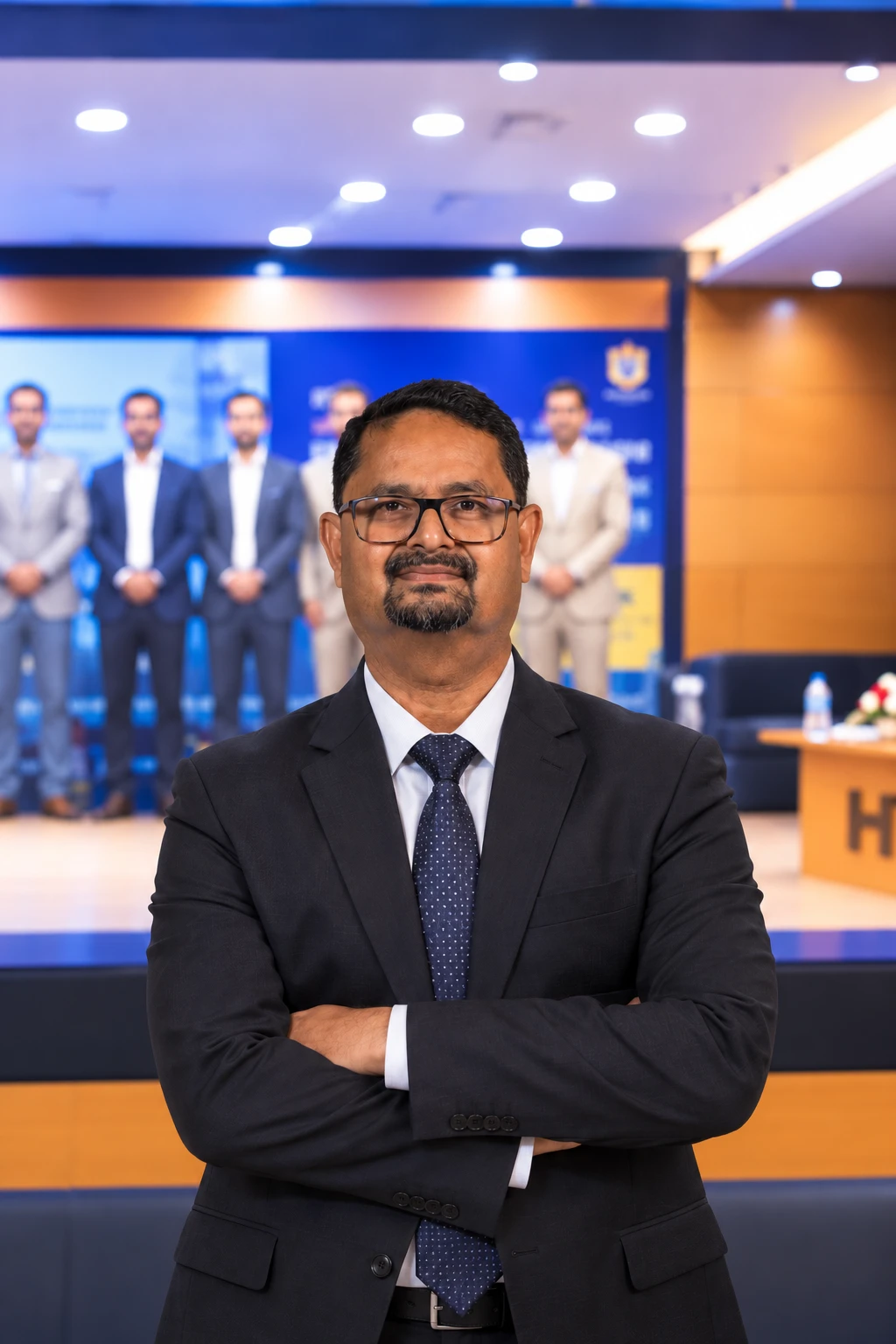
Acting Vice-Chancellor & Pro-Vice-Chancellor, Tezpur UniversityProfessor of Design, IIT GuwahatiFounding Interim Director, IIIT ManipurChairman, Research Advisory Committee, National Innovation Foundation – India
Acting Vice-Chancellor · Tezpur University, a Central University · 2025–Appointed Pro-Vice-Chancellor by the Ministry of Education, Government of India (December 2025), and now heads the university; home of EcoFresh’s PHA laboratory work
Founding Interim Director · IIIT Manipur · 2014–2022Planned and set up an Institute of National Importance from the very beginning, and led it for eight years
Chairman · Research Advisory Committee, National Innovation Foundation – IndiaUnder the Department of Science & Technology; 5 grassroots innovators he mentored received the President of India’s award, and IIT Guwahati was named NIF’s best technical support institution
20 PhDs · 237 publications · 43 projects · 28 years at IIT GuwahatiBest Tricycle Design Award, Ministry of Urban Development (2008) for Dipbahan, which earned IIT Guwahati royalties and enquiries from abroad; PhD, IIT Guwahati · M.Des, IIT Bombay
He built an Institute of National Importance from scratch, now leads a central university, and anchors EcoFresh’s lab work at Tezpur.
Roles & recognition












Our competitive record
JLR · JabalpurBacked by the Ministry of Education's Innovation CellEcoFresh's first institutional recognition. Backed by the Ministry of Education's Innovation Cell through the Institution's Innovation Council at PDPM IIITDM Jabalpur, an Institute of National Importance, where all four founders studied and EcoFresh was first incubated.IIITDM Jabalpur · IICNational

IXC · RupnagarIncubated at TBIF, IIT RoparIncubated at the Technology Business Incubator Foundation (TBIF), IIT Ropar.TBIF · IIT RoparNational
BOM · Mumbai16th of 2,500+ participants from 6+ countries16th of 2,500+ participants from 6+ countries, Hult Prize (in partnership with the United Nations) Global Entrepreneurship Bootcamp 2025, IIT Bombay.Hult Prize · IIT BombayGlobal



HYD · HyderabadTop 14 of 1,300+ teams in IndiaTop 14 of 1,300+ teams in India at the LoopX Accelerator (I-Venture Immersive), ISB Hyderabad, and part of LoopX Cohort 1 at ISB DLabs.LoopX · ISB HyderabadNational

SFO · San FranciscoSelected from 100,000+ startups worldwideSelected globally from 100,000+ startups for Claude for Startups, the startup programme of Anthropic.Claude for StartupsGlobal



YYZ · TorontoTop 7 teams in India · Together 7.0Top 7 teams in India, Together 7.0 (2026), selected from student founders across India's 17,000+ colleges and 700+ universities. Indo-Canada Global Entrepreneurship Bootcamp & Venture Competition by the Schulich School of Business, York University (Toronto), with Startup India (DPIIT), the Consulate General of India, Toronto, TiE Toronto and EKonnect. Up to CAD 15,000 in prizes.Schulich · TorontoInternational
Vision and Mission
The pattern
1970 → 1998 · Milk
2010 → 2025 · Power
What the pattern delivered
Sources: NDDB, Operation Flood; GCMMF FY25 results (Storyboard18); installed solar, Jan 2025 (Angel One); CERC solar tariff 2010–11 (IEA); Bhadla auction, May 2017 (Renewable Watch); Bhadla Solar Park; Kamuthi Solar Power Project.
Why now
1Scattered source
0 tof waste a day in India
Hotels, campuses, hospitals and canteens are bulk generators of food waste, in every city.
CPCB, Annual Report 2021–222Local first step
April 2026on-site processing becomes law
Under the Solid Waste Management Rules 2026, every bulk generator must process its wet waste where it is made.
MoEFCC, notified 27 Jan 20263Shared processing
0 ta year of PHA, one plant abroad
PHA is made at industrial scale (CJ Biomaterials, Indonesia). In India, Balrampur Chini Mills is building a ₹2,000 crore PLA bioplastic plant in Uttar Pradesh.
CJ, 2022 · The Machine Maker, 20244State push
Aug 2024Union Cabinet approves BioE3
India’s BioE3 policy names bio-based chemicals, biopolymers & enzymes as a strategic sector.
Department of Biotechnology, 20245Market pull
1 July 2022single-use plastic ban
Identified single-use plastic items are banned, and compostable plastic is exempted. Demand for alternatives is now a legal fact.
Plastic Waste Management (Amendment) Rules, 2021Where EcoFresh fits
A compact unit at each site prepares the waste on site, splitting it into sugar liquor and fat.
The prepared streams are picked up on a schedule, sealed and metered.
One shared hub serves a cluster of sites and is designed to ferment both streams into PHA bioplastic.
PHA powder goes to compounders and converters. Packaging brands drive the demand.
BioE3 policy · Union Cabinet, 24 August 2024
Government of India · Department of Biotechnology
“Policy for Fostering High Performance Biomanufacturing”
Thematic sectors
Policy outline
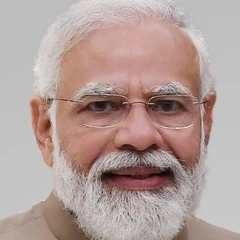
“In the 21st century, the combination of bio-technology and biomass is an important part of the foundation of Viksit Bharat.”
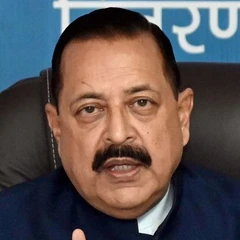
“These hubs will bridge the gap between laboratory-scale and commercial-scale manufacturing.”
India’s bioeconomy
Why it matters to EcoFresh
PHA is a biopolymer made by microbes. It is exactly what this sector names.
Sources: Cabinet approval, PMIndia, 24 Aug 2024; PM’s remarks, GenomeIndia, 9 Jan 2025; Dr Jitendra Singh, Indian Pharma Post, 27 Aug 2024.
The vision
Partner with us to build the material layer of a self-reliant India: decentralized climate infrastructure, one institution at a time.
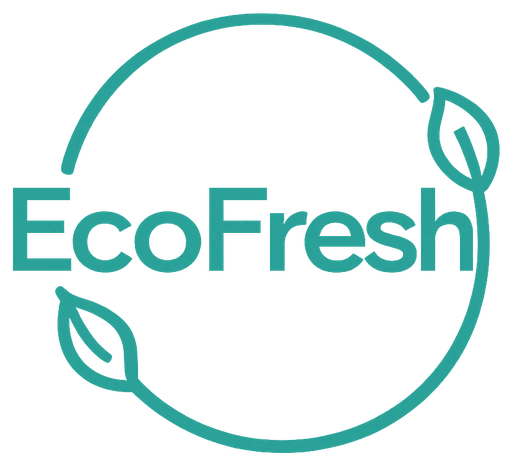
Hub, concept render